

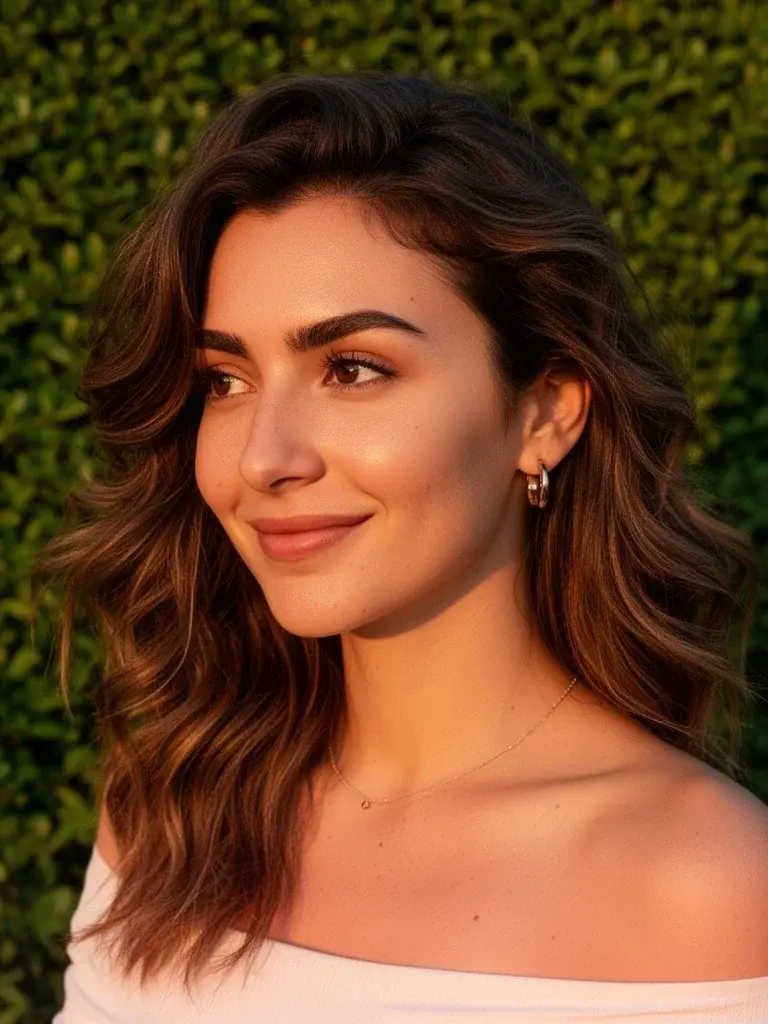

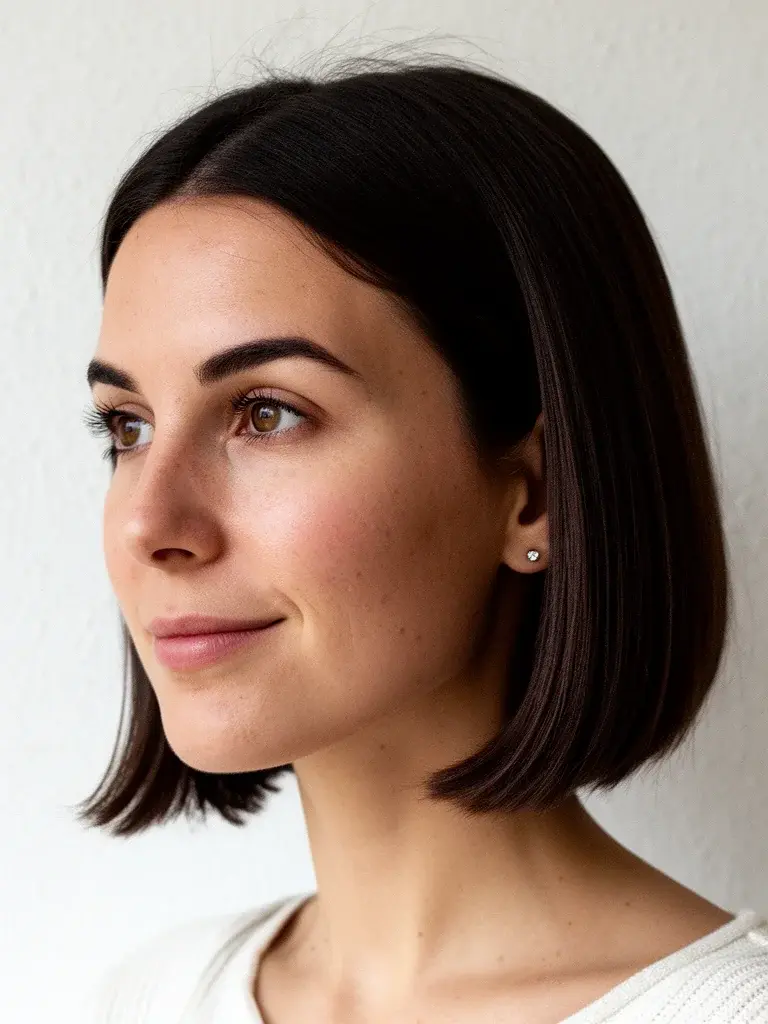

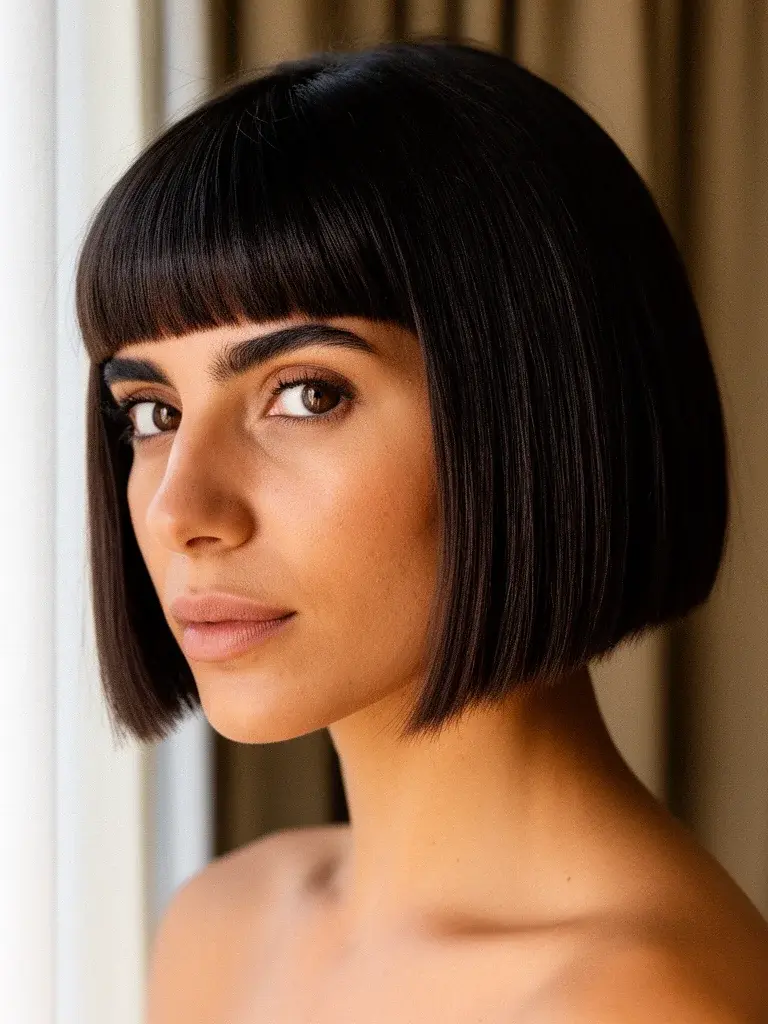
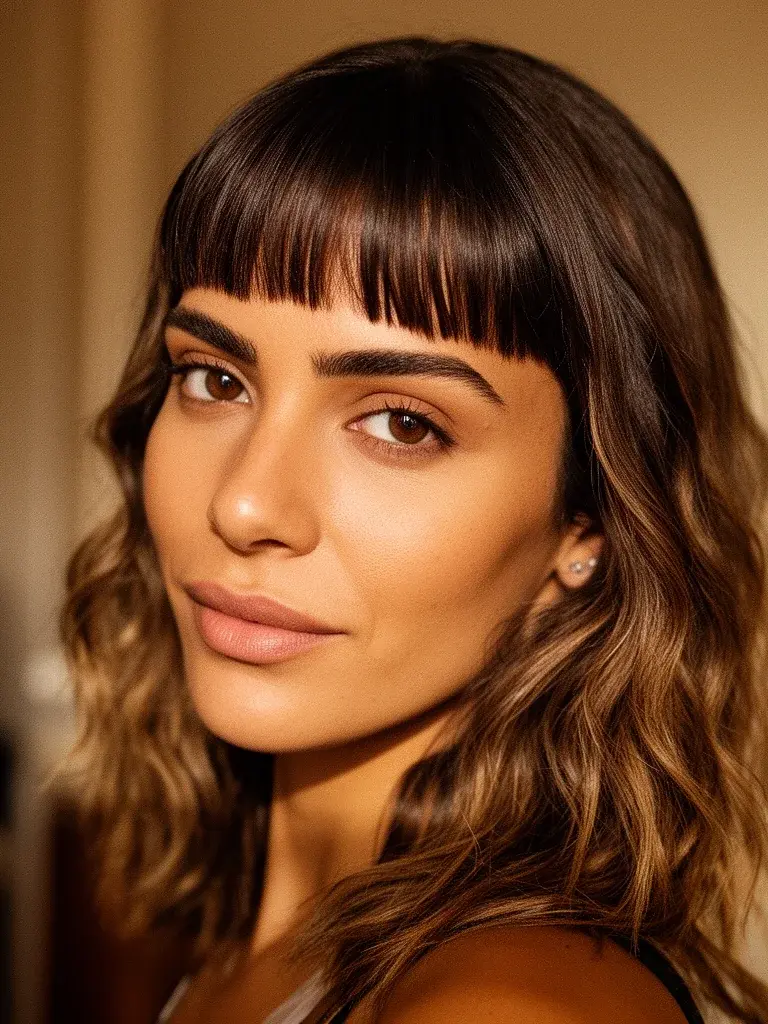

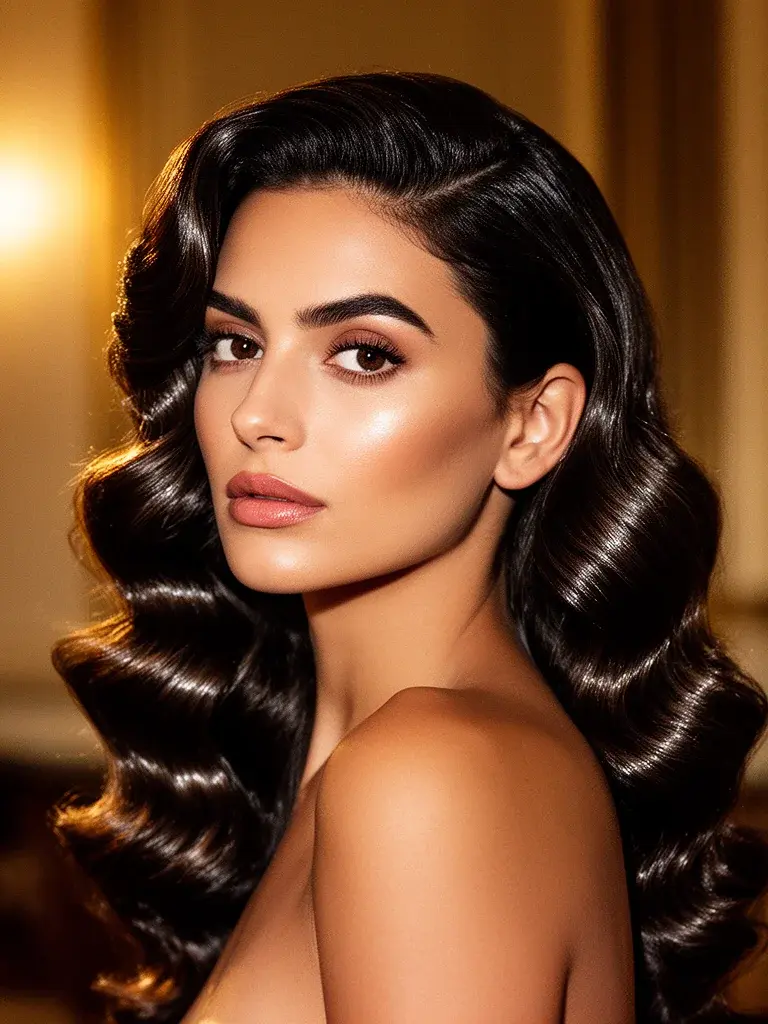
The State of Hair Trends in 2026
There's a macro shift happening in what women are asking salons for — and it explains why wolf cut, butterfly cut, and lob are trending at the same time despite being different haircuts.
The shift: precision → texture.
Through most of the 2010s, the aspirational haircut was polished. Blowouts, smooth finishes, sharp geometry. The bob was cut to the millimeter. Beach waves were styled with a wand for 45 minutes to look effortless.
Since roughly 2022, the dominant direction has reversed. The cuts winning search volume and salon requests are all variations on the same idea: visible layers, natural movement, shapes that look like they grew in.
Wolf cut, butterfly cut, lob, shoulder-length layers — these styles are trending together because they represent a single cultural shift, not four separate coincidences.
Where Each Trend Sits Right Now
Not all trends are the same age. The most useful question isn't "is this trending" but "where in its lifecycle is it, and how much runway is left?"
| Style | Stage | Runway Left |
|---|---|---|
| Wolf cut | Mainstream — established | 2–3 years to plateau |
| Butterfly cut | Rising — early mainstream | 3–4 years to plateau |
| Lob | Evergreen | Indefinite |
| Curtain bangs | Still rising | 2–3 years |
| Beach waves | Evergreen | Indefinite |
| Classic bob | Resurgent | 2 years |
| Shoulder layers | Stable | Indefinite |
What this means practically: The wolf cut has plenty of life left — it's crossing from "trend" to "established category," the same trajectory as beach waves in 2015. Butterfly cut is the best long-term bet for adopting a trend that still has fresh energy. Lob and beach waves never fully fade; starting them now carries no risk of looking dated in a year.
Which of these actually suits your face? Try the 2026 trend cuts on your own photo before you book one.
Why Wolf Cut and Butterfly Cut Both Won
They look similar from a distance — both layered, both medium-length, both "textured." But their structures are different, and they're popular for different reasons.
Wolf cut succeeded because it combined two previously niche references (the shag and the mullet) and stripped the retro out of both. The result was a cut that felt current, photogenic on social media, and achievable without precision cutting. It also happened to be particularly good on the hair types most people actually have: wavy, thick, and medium-density.
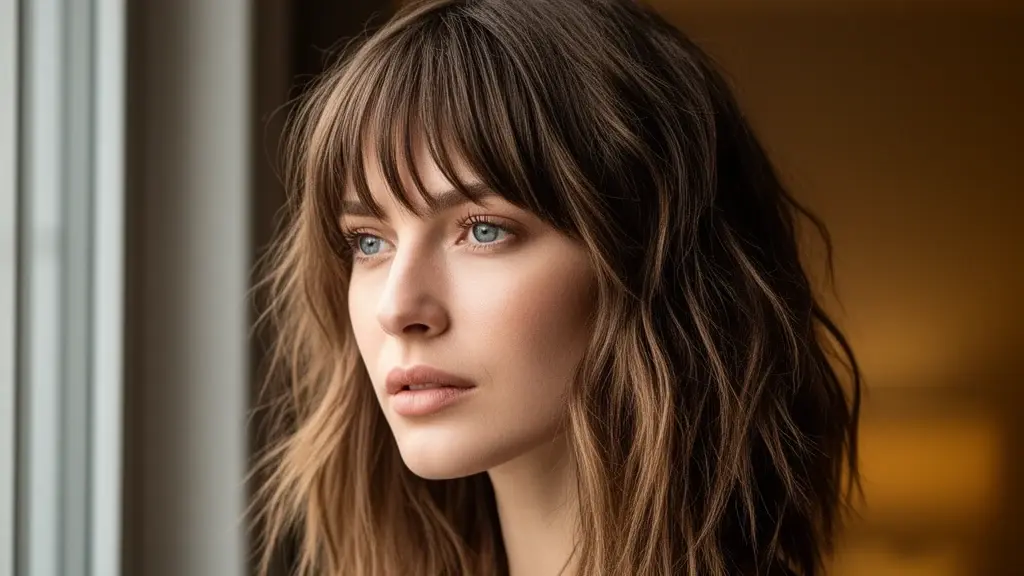
Butterfly cut succeeded because it addressed the wolf cut's limitation: it works better on finer hair and softer bone structures. Where the wolf cut has directional contrast, the butterfly cut has curved softness. It appealed to women who wanted the texture-forward moment but found the wolf cut too edgy.
Both happening simultaneously isn't a coincidence — it's the same underlying cultural preference expressed at two different points on the edge-to-softness spectrum.
Which 2026 Trends Work for Your Hair Type
Fine Hair
Best picks: Lob, curtain bangs
The lob removes dead weight and gives fine hair body it couldn't have at longer lengths. Curtain bangs add face framing without removing the bulk that fine hair needs.
Approach with caution: wolf cut and butterfly cut both involve aggressive layering. If you have fine hair and want these cuts, ask for a modified version with fewer, more widely spaced layers to preserve density.
Thick Hair
Best picks: Wolf cut, butterfly cut, shoulder-length layers
All three channel thick hair's natural volume into intentional shape. Interior layers remove bulk without changing the exterior silhouette — the biggest thick-hair problem solved.
Lob tip: works on thick hair but requires interior layers specifically — without them, it becomes a dense curtain. Ask for "interior layers to remove bulk, not change the shape."
Wavy Hair
Best picks: Wolf cut (optimal), butterfly cut (strong second), lob
Wavy hair is the wolf cut's native environment — wave pattern separates layers naturally without product. Butterfly cut's wing sections form effortlessly on wavy hair.
Method: air-dry is usually all you need. A sea salt spray on damp hair, scrunch upward, let dry completely.
Straight Hair
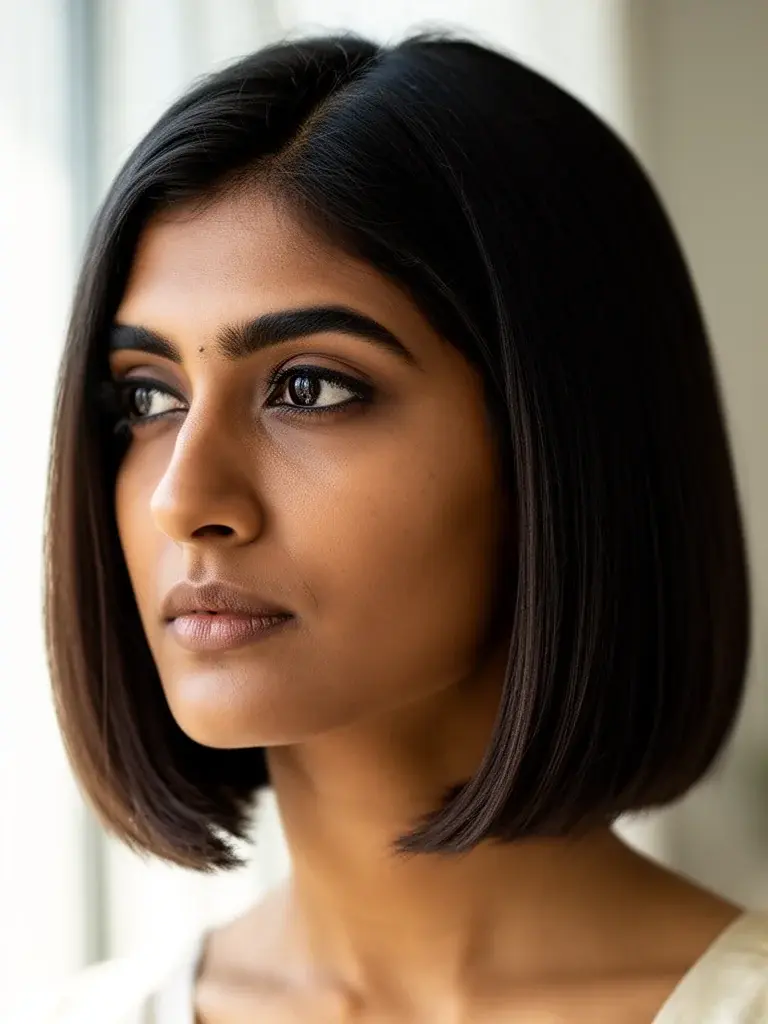
Best picks: Lob, classic bob, shoulder-length layers
These cuts look clean and intentional on straight hair without needing product to activate them. Wolf cut and butterfly cut on straight hair require a diffuser and product to get the layered effect — still achievable, just not zero-effort.
Curly or Coily Hair
Best picks: Shoulder-length layers, wolf cut
Layers let curl sections breathe and define separately — both cuts achieve this. Request dry-cutting for all curl types; wet cuts shrink unevenly.
Avoid lob on tight curl patterns — the length can cause the ends to bunch at the collarbone. Shoulder-length layers have more room for curls to fall naturally.
The Low-Commitment Way to Test a Trend
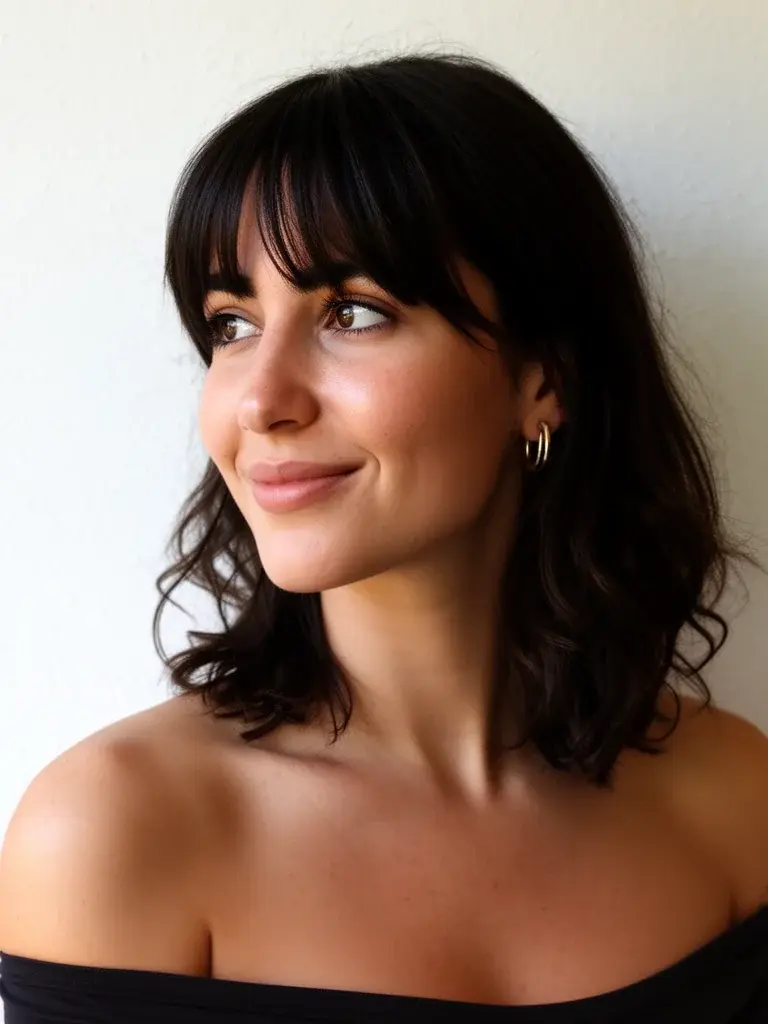
The lowest-risk entry point into any of these trends: curtain bangs.
They add face framing in the same "lived-in" language as the structural cuts, they grow out invisibly into your existing layers, and they take about 4 weeks to see whether they suit you. The commitment is minimal — if you hate them, you're back to normal in 4 months.
Second-lowest risk: beach waves technique. This is a styling method, not a cut, so it requires nothing from your stylist. Try it for 2–3 sessions before committing to a layered cut. If the lived-in texture doesn't suit your preference or lifestyle, you've discovered that without spending 6 months growing out layers.
Highest commitment: wolf cut or butterfly cut. Both involve significant layering that takes 8–12 months to fully grow out if you change your mind. Try the AI tool below before booking the appointment.