TL;DR
- Best for: Every face shape — the lob is one of the few cuts without face-shape restrictions
- Avoid if: You need a very specific polished bob silhouette, or you want to keep hair long enough for a full high ponytail
- Ask your stylist: "Collarbone-length lob, slight point-cut or soft ends — no blunt weight line unless I ask for it"
- Maintenance: Trim every 8–10 weeks; minimal daily styling
Who Does It Suit?
The lob is the most face-shape-agnostic haircut in women's hairstyling. The length hits the universal zone where the face is fully visible but softened, and the ends add weight at the right level regardless of bone structure.
Ideal for:
- Oval: Any lob length works. Experiment with a blunt weight line (classic) or point-cut ends (softer) depending on preference
- Round: A collarbone lob elongates the face more than any other short-to-medium cut. Keep the weight line at or below the chin — above it and you're back into bob territory where width can become an issue
- Square: A soft lob with face-framing layers or curtain bangs rounds out the jawline. Avoid a geometric blunt lob, which mirrors the jaw's angularity
- Heart: The collarbone length adds visual weight at the narrowest part of the face — balancing the wider forehead. Curtain bangs pair naturally
- Oblong: A blunt weight line at the collarbone adds horizontal emphasis that breaks a long face's vertical. This is one of the few face shapes where a blunt lob is the best choice
- Diamond: The collarbone length adds width at the chin area, balancing the widest part at the cheekbones
Hair types:
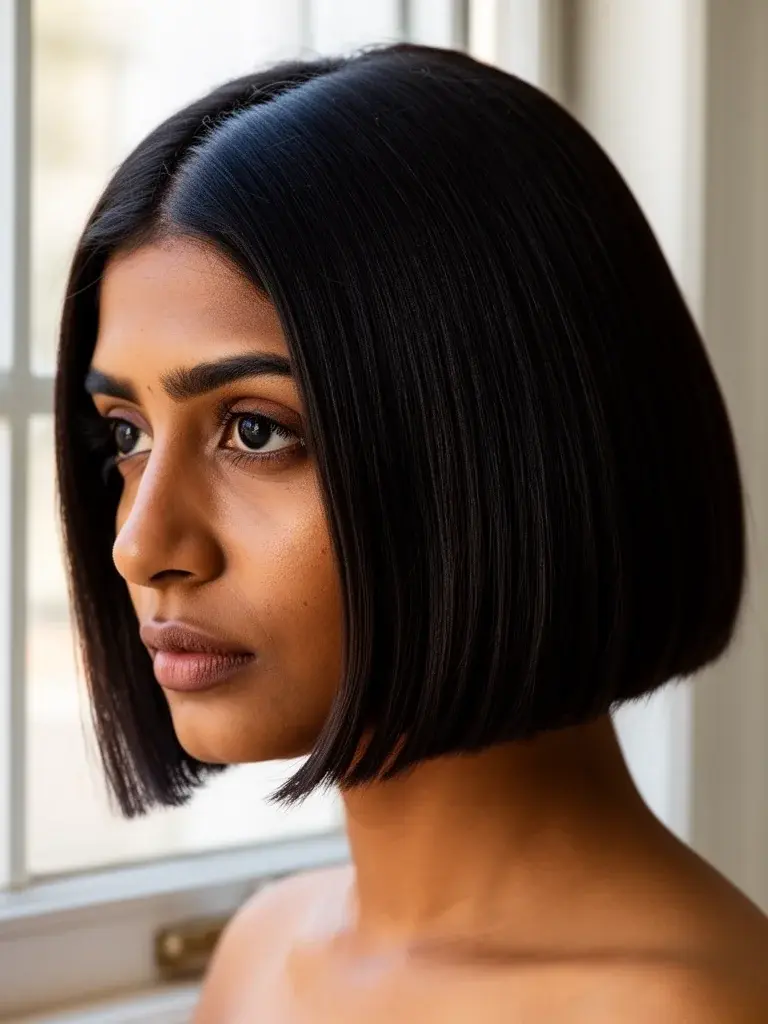
- Straight: Produces the cleanest, most graphic lob shape. Blunt or near-blunt ends show clearly and look intentional
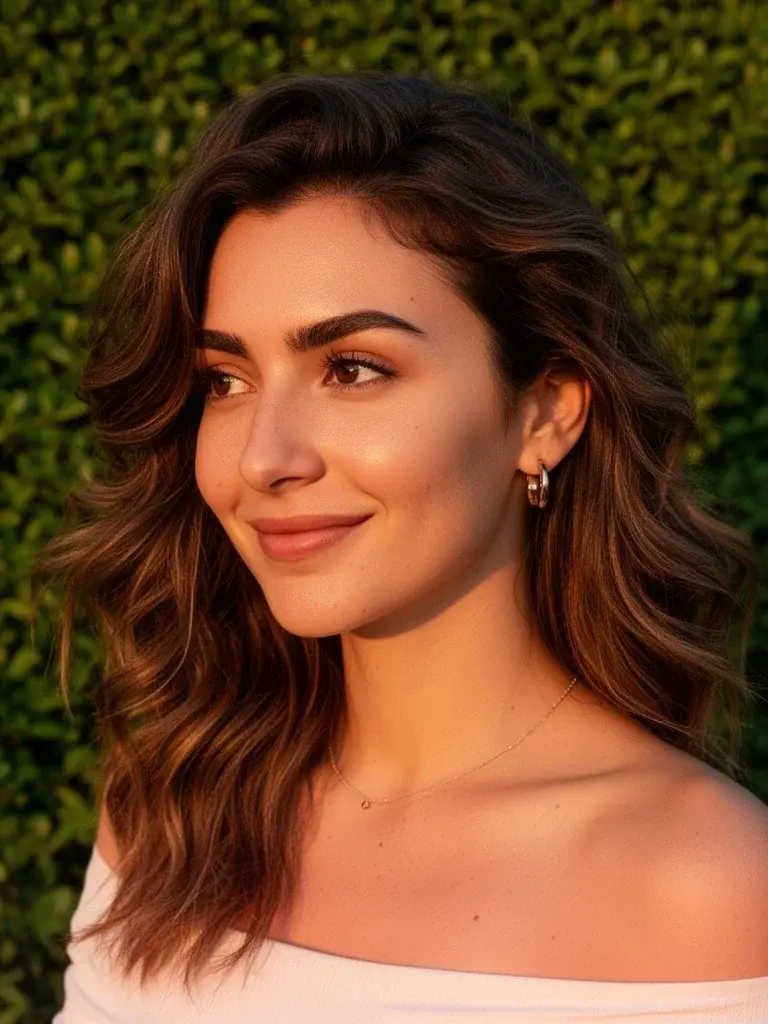
- Wavy: Air-dries with natural movement — the most effortless lob result. Add beach waves styling for a more intentional finish
- Thick: Works well with interior layers — without them, a thick lob becomes a dense curtain. With them, it's full and healthy-looking
- Fine: One of the best lengths for fine hair. Removing excessive length removes the weight that pulls fine hair flat — the lob is short enough that fine hair maintains body throughout the day
Avoid If...
- You rely on a high ponytail daily → a lob barely reaches a low pony; try shoulder-length layers or keep 4–6 more inches
- You want a sharp, defined bob silhouette → a lob is softer by nature; the Classic Bob gives you the precise geometry
- You want to keep growing your hair long → a lob is a commitment to a specific length; if you're just trimming split ends, ask for dusting instead
- You style your hair up every day → at collarbone length, most up-styles are minimal; shoulder-length layers adds more versatility for up-dos
What is a Lob?
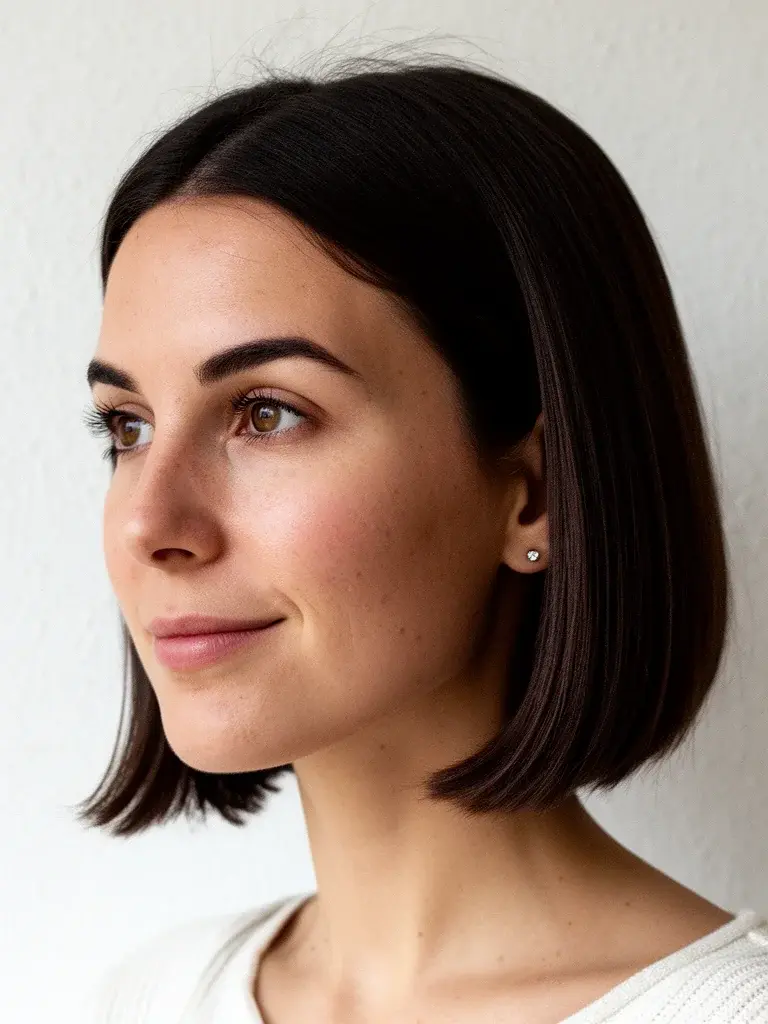
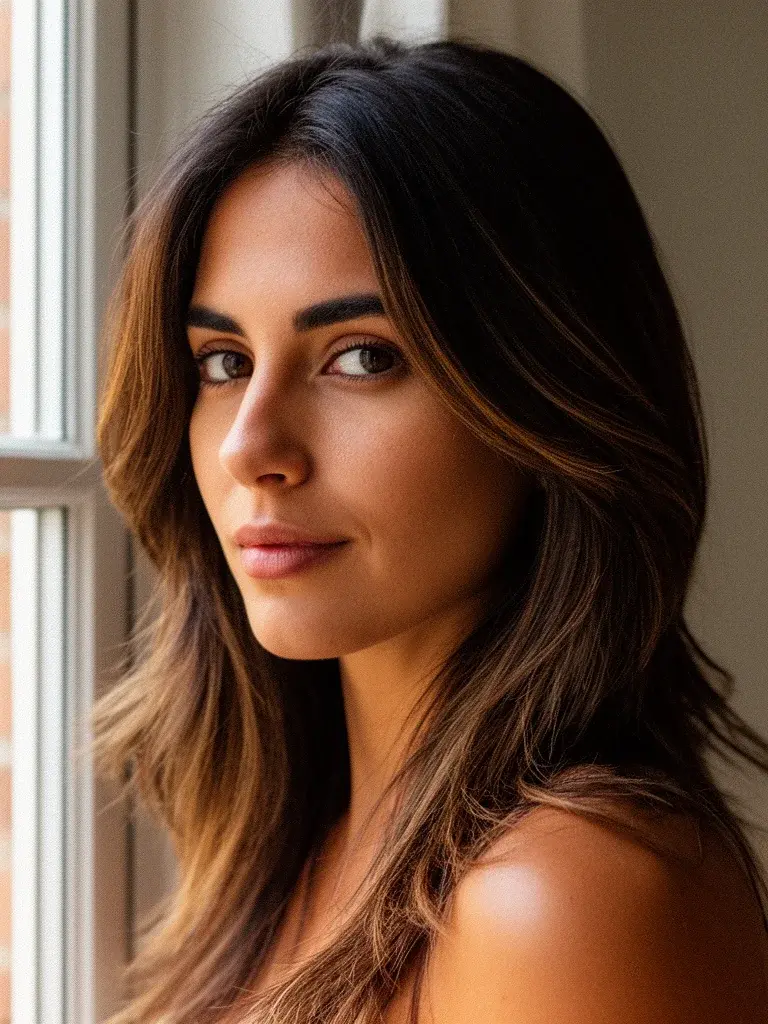
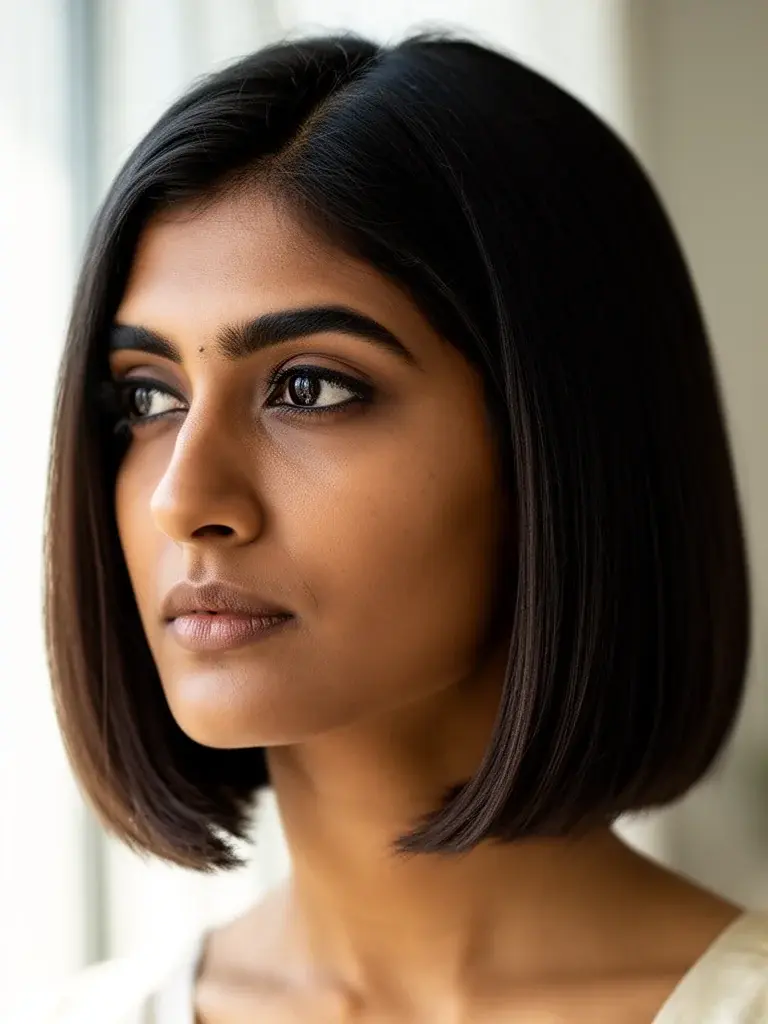
A lob (long bob) is a haircut that falls between chin length and collarbone length — typically landing 1–3 inches below the chin. It borrows the clean silhouette and weight line of a bob but extends the length into a zone that suits more face shapes, requires less maintenance, and grows out more gracefully.
The defining characteristic isn't the exact length but the relationship between length and face: a lob ends where your collarbone begins, meaning the ends are fully visible below your face. Unlike a bob, where the ends swing around chin level and frame the lower face, a lob frames the neck and shoulders — a softer, more versatile effect.
Lob vs Bob vs Shoulder-Length Layers
| Lob | Bob | Shoulder-Length Layers | |
|---|---|---|---|
| Length | Collarbone, 1–3" below chin | Chin level or above | Sits on shoulder |
| Maintenance | Trim every 8–10 weeks | Every 6–8 weeks | Every 8–10 weeks |
| Daily styling | 5–10 minutes | 5–10 minutes | 10–15 minutes |
| Ponytail? | Low pony only | No pony | Full pony |
| Versatility | High | Medium | Highest |
| Face shapes | All | Best: oval, oblong | All |
Bottom line: Lob = clean and modern. Bob = precise statement. Shoulder-length layers = maximum versatility.
Want to know whether a lob still feels safer than a bob on you? Try the lob on your own photo before you book the cut.
Cut Specifications
- Length: 1–3 inches below the chin, resting at the collarbone
- Ends: Point-cut (default) for softness; blunt for a graphic statement; soft blunt for the middle ground
- Layers: Optional — a one-length lob is the cleanest; face-framing layers add movement without bulk; interior layers are needed for thick hair
- Graduation: Slight back-to-front graduation (shorter at the back, longer at the front) for most face shapes; blunt graduation for oblong faces
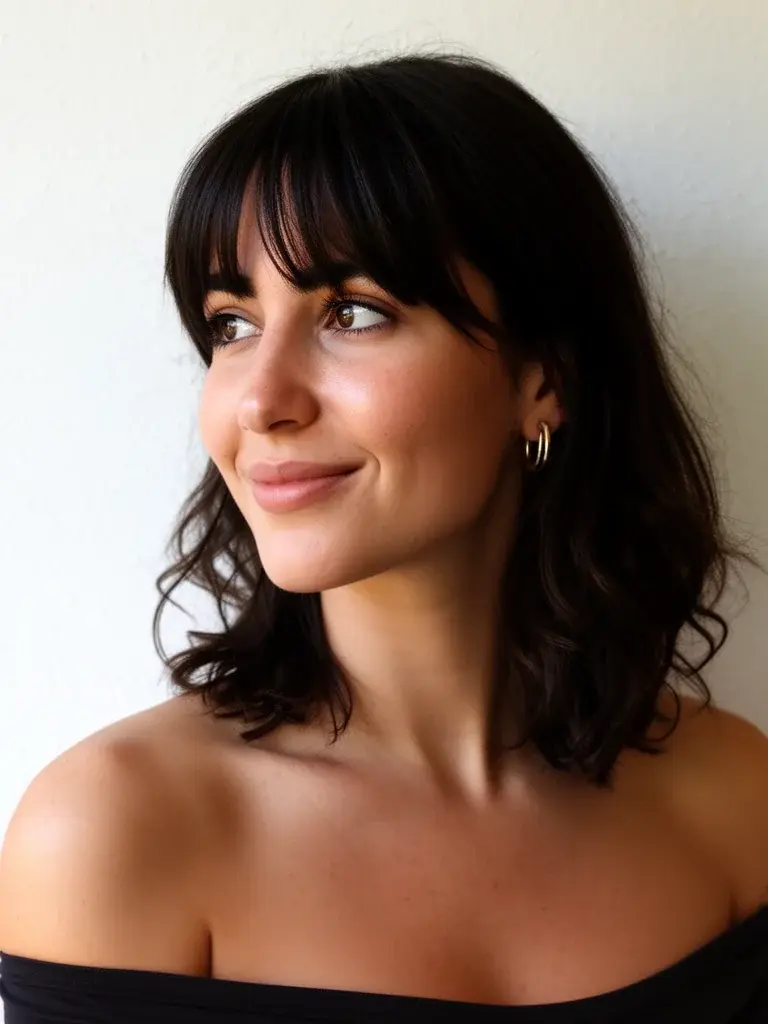
- Fringe: Optional — curtain bangs are the most natural lob addition; blunt bangs create a more graphic look
- Trim cycle: Every 8–10 weeks; the weight line softens more slowly than shorter cuts
Color Pairing
- Balayage: The lob length is ideal for balayage — the color starts below the ear and builds through the ends, creating a natural sun-kissed gradient that the collarbone length shows off perfectly. Low-maintenance: roots grow in softly without a hard line
- Money piece: Bright face-framing pieces (2–4 shades lighter around the hairline) draw attention to the face at the exact length where the lob's weight line sits — reinforcing the cut's silhouette from the front
- Single process color change: The lob is the most practical length for a dramatic color change. Less hair than mid-length, easier to maintain, and the ends are fresh enough to take color well
Face Shape Tweaks
- Oval: The most flexible — any lob length and end style works. Start with point-cut ends if unsure
- Round: Keep length at or below the collarbone, not above. Ask for a slight point at the ends to avoid the rounded bottom that echoes the face's roundness. Avoid blunt ends
- Square: Request soft, face-framing layers from the cheekbone down. Point-cut ends. Avoid a geometric blunt lob
- Heart: Ask for slightly longer front sections (longer than the back) to add weight at chin and collarbone level. Curtain bangs pair naturally
- Oblong: A blunt weight line is actually your best option — it creates horizontal emphasis. Request minimal layering to preserve the weight at the ends
- Diamond: Ask for slight length adjustment — longer at the front, shorter at the back — to add visual weight at the jaw and chin area
Hair Type Tweaks
- Straight: A blunt or near-blunt lob looks polished and intentional. If you want movement, ask for point-cut ends and add light texturizer
- Wavy: Ask for point-cut or feathered ends — this allows the wave to move freely through the ends rather than bunching. Minimal layering keeps the shape clean
- Thick: Interior layers are non-optional. Ask specifically: "I want interior layers to remove bulk but not change the outside shape." This is a standard request any stylist will understand
- Fine: A blunt weight line adds visual density — it makes fine hair look thicker at the ends. Avoid too many layers, which can make fine hair look wispy rather than full
How to Style
Straight (10 minutes):
- Blow-dry with a round brush, pulling sections toward the floor for a modern flat finish
- Run a flat iron through the mid-lengths and ends if needed — one pass
- Finish with shine spray
Wavy/textured (10 minutes):
- Apply sea salt or texturizing spray to towel-dried hair
- Scrunch ends and diffuse or air-dry
- Break up any clumped sections with fingers once dry
No-Heat:
- Braid damp hair into two sections overnight
- Undo in the morning and separate with fingers
- A lob on wavy or straight hair air-dries clean enough for most days — the most common everyday method
Maintenance Schedule
- Week 1–4: The lob looks its sharpest right after a cut. The weight line is clean and the ends behave exactly as intended
- Week 5–6: Slight growth visible, ends start to lose their precision. Still wearable and looks intentional
- Week 7–8: The lob is now closer to "long lob" territory — still looks good, especially on wavy hair where movement compensates for growth
- Week 9–10: Time to trim. Point-cut ends need a refresh more than blunt ends — if you have blunt ends, you might stretch to 10–12 weeks
- Growing out: The lob grows out beautifully. From collarbone to shoulder to mid-back — every stage has its own valid silhouette
Common Mistakes
-
Cutting too short on the first visit Fix: Ask your stylist to cut to the longer end of lob territory (2 inches below chin) first. You can always go shorter. "Lob" is not a precise measurement and different stylists interpret the length differently.
-
Skipping layers on thick hair Fix: Request interior layers specifically. Without them, a thick-hair lob looks like a solid wall of hair. Interior layers are different from face-framing layers — they're invisible from the outside but completely change how the hair moves and sits.
-
Using too much product on fine hair Fix: One product only — either a volumizing mousse applied to roots, or a light texturizer applied to ends. Never both. Fine hair lobs look best when you can see movement, not product.
-
Letting the ends go past the "growing out" point without trimming Fix: A lob at 3+ inches below the chin is just medium-length hair. If you want to keep the lob identity, trim to reset. If you want to grow, commit and let it reach shoulder length before shaping.
-
Washing every day Fix: Lobs look their best on day 2 or 3. Day-one hair is too flat from washing; day-two has the right amount of natural texture and hold. Dry shampoo at the roots extends the best lob days.