







What Counts as Medium Length?
Medium length sits between 3 and 7 inches — long enough to style in multiple ways, short enough to not require a hair tie (most of the time).
Here's what that looks like in practice:
- 3-4 inches: Covers the top of the ears. Enough for a soft quiff, ivy league, or early-stage curtains.
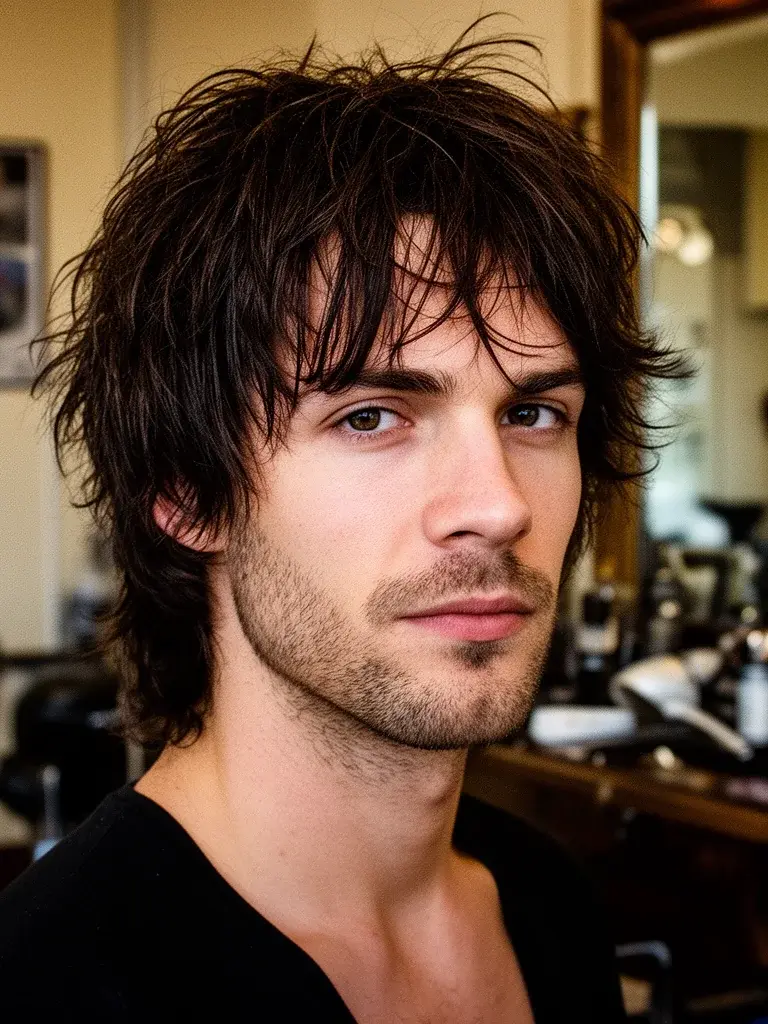
- 4-5 inches: Fully covers the ears. The sweet spot for bro flow, wolf cut, and mid-length shag.
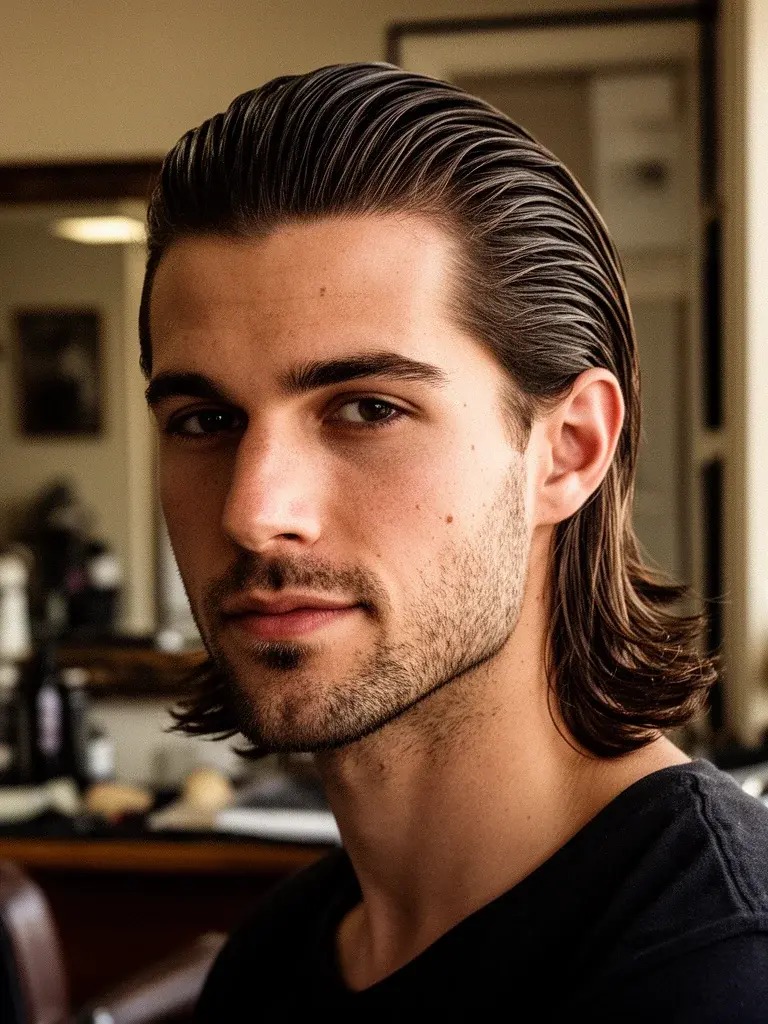
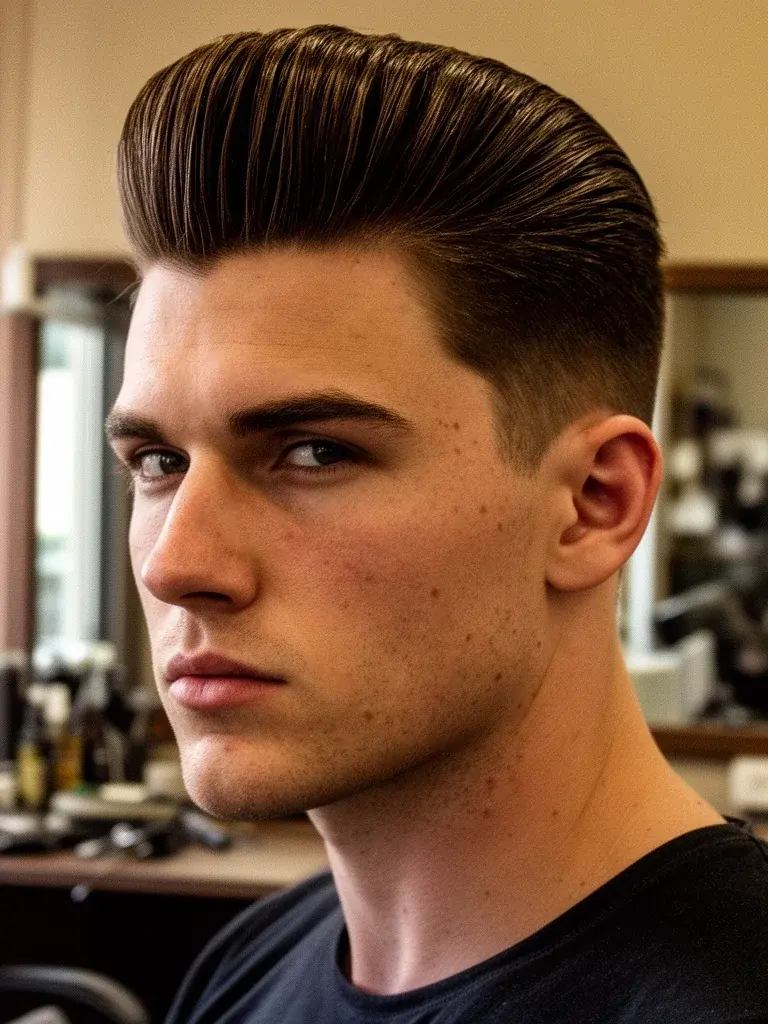
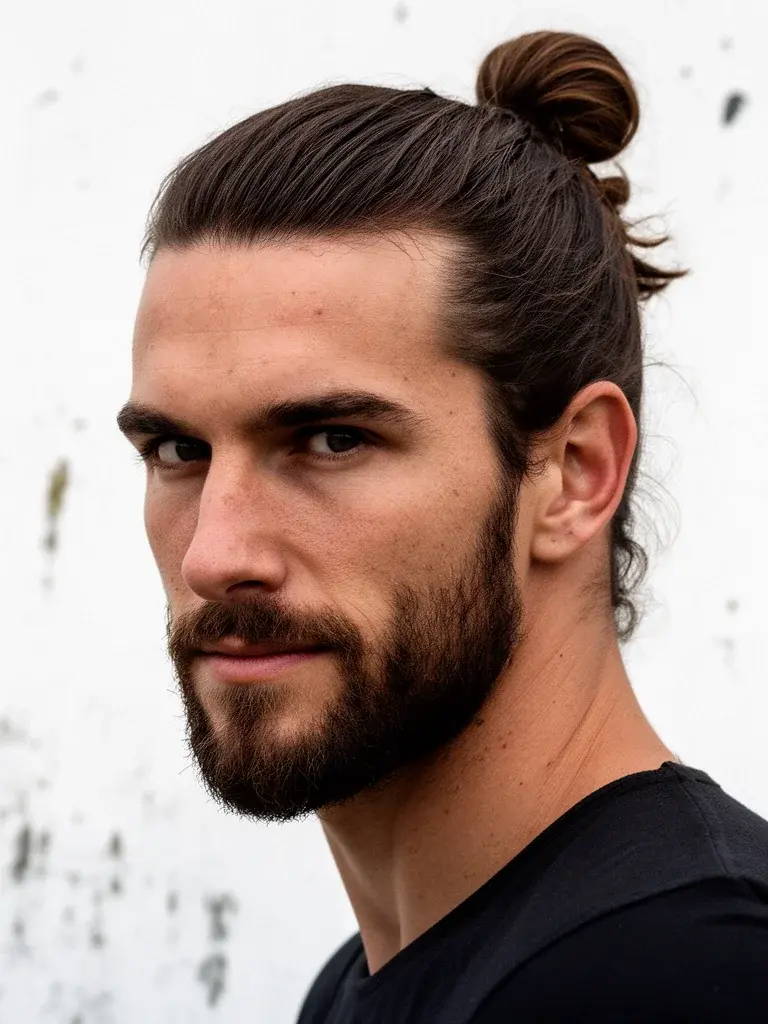
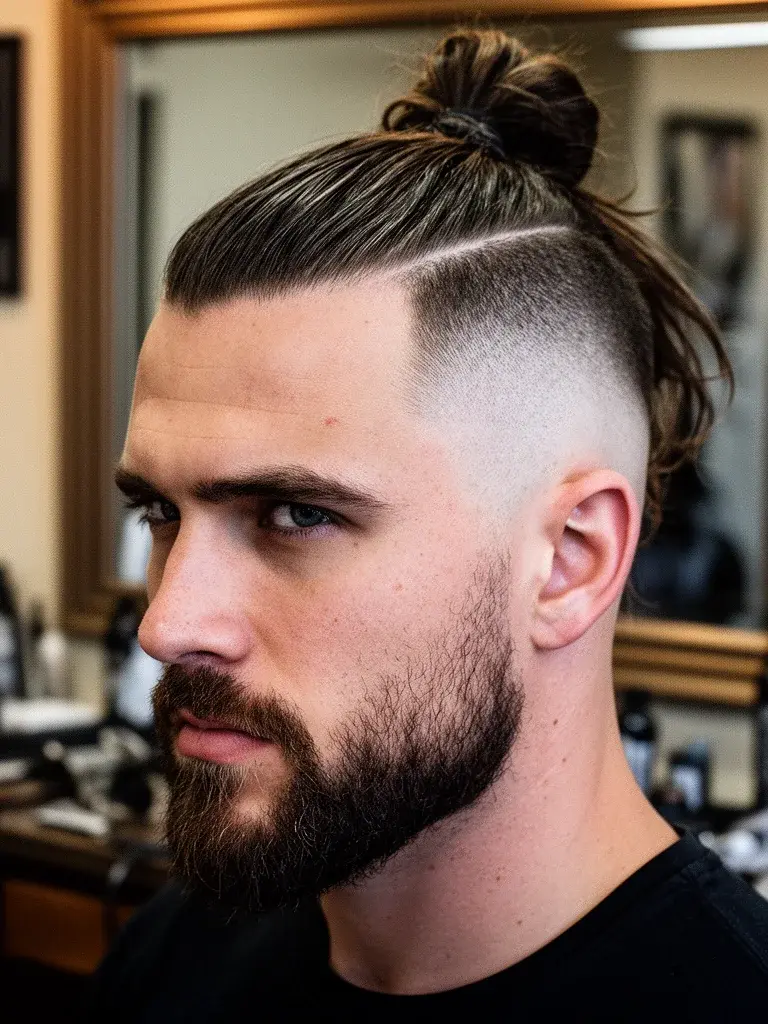
- 6-7 inches: Touches the collar. Territory for slicked-back flow, long layers, and man bun.
Choosing by Hair Texture
Straight hair tends to fall flat at medium length. The fix: layers and texture products. A wolf cut creates built-in movement. Curtains give straight hair a frame. Sea salt spray is your best friend.
Wavy hair is the easiest to work with at medium length. Waves add natural body — a mid-length shag or bro flow practically styles itself. Less product, more letting your hair do what it already wants to do.
Curly hair at medium length has serious volume. A wolf cut channels that volume into intentional layers. A warrior cut keeps the sides controlled while the top gets freedom.
Thick hair benefits from the modern mullet and long layers — both use layering to thin out density while keeping the length.
The Grow-Out Plan
Going from short to medium takes 4-6 months. Here's the timeline:
Month 1-2: Your short cut gets shaggy. Resist the urge to cut it all off. Get a light trim at the neckline and sides only.
Month 3-4: The awkward phase. Hair covers your ears unevenly. This is where most guys quit. Schedule a shaping trim — ask your barber to "clean up the shape without taking length."
Month 5-6: You've made it. Hair is long enough to tuck, sweep, or part. Book a proper medium-length cut and ask for the style you've been waiting for.
Styling Essentials
Medium hair needs more product than short hair, but less than you'd think:
- Bro flow / curtains: Blow-dry on medium heat, sweep back or part, light hold spray.
- Wolf cut / shag: Sea salt spray into damp hair, air dry, scrunch once.
- Slicked back / pompadour: Blow-dry for volume, medium-hold pomade, comb back.
- Man bun / warrior cut: A hair tie and 10 seconds.
What to Tell Your Barber
Natural flow: "Keep the length, take weight out of the sides, leave it long enough to tuck behind the ears. No hard lines." → Gets you a bro flow or curtains.
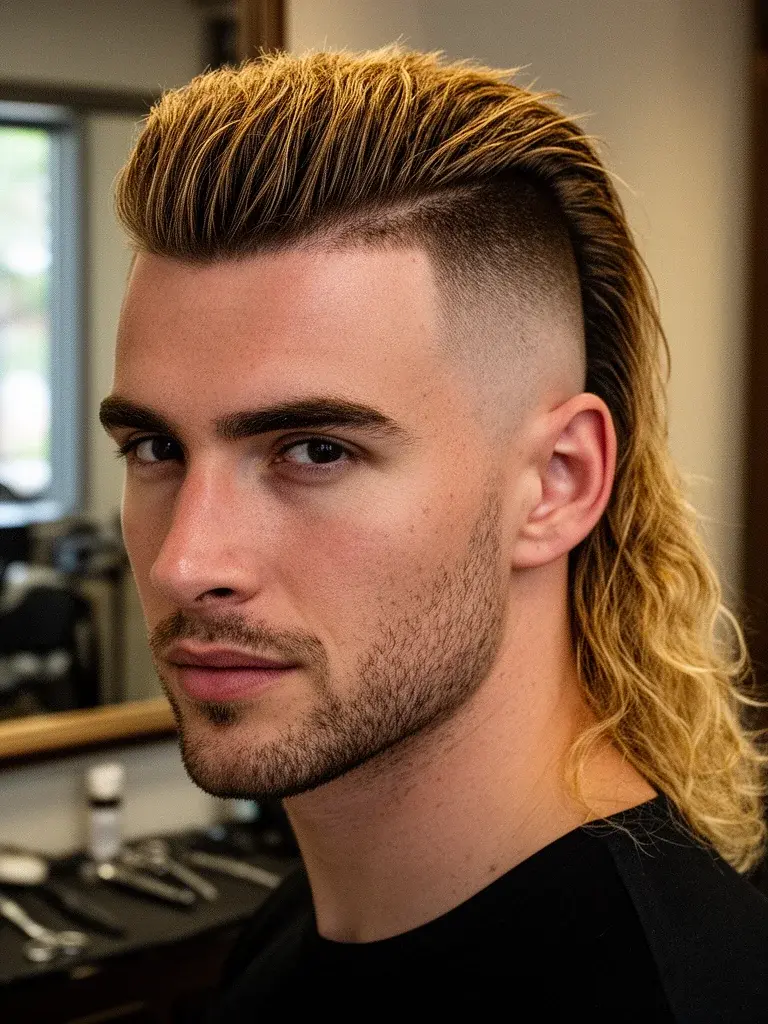
Layered texture: "Lots of layers, disconnected top, shorter around the ears, keep the back longer." → Gets you a wolf cut or modern mullet.
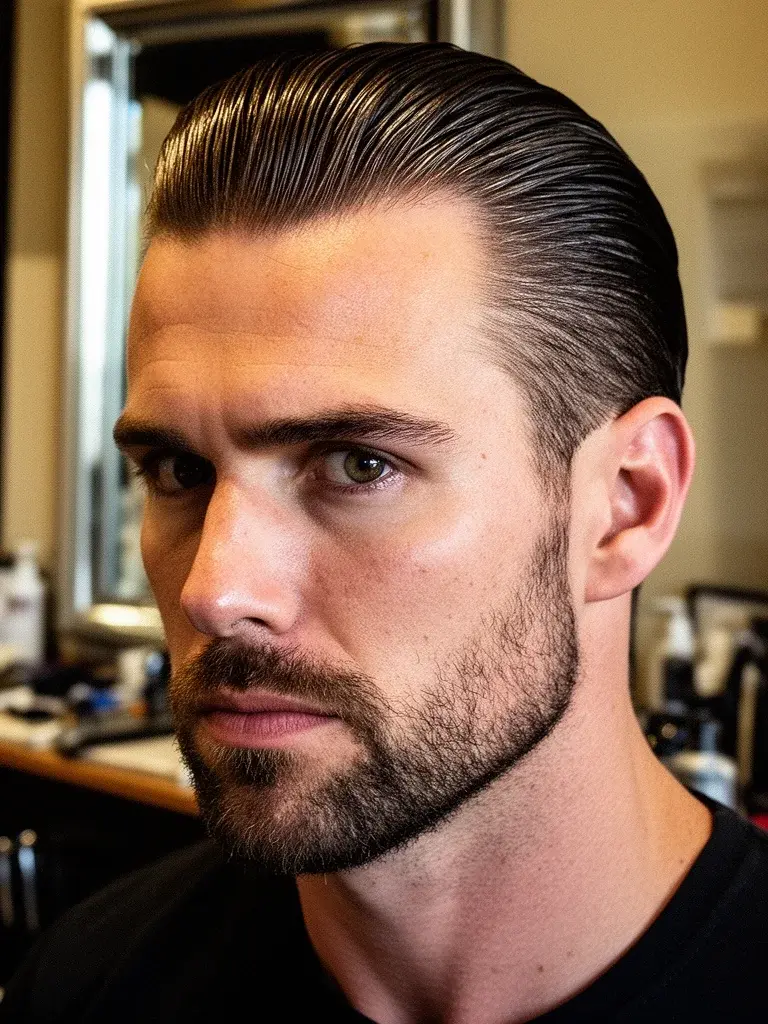
Structured medium: "5-6 inches on top, tapered sides, I want to slick it back." → Gets you a slicked-back flow with room to style.
Medium Length by Face Shape
Oval Face
The most forgiving shape for medium length. Curtains and bro flow showcase the face without distraction. Almost every style in this guide works.
Square Face
Medium layers soften angular features. A wolf cut or mid-length shag diffuses the strong jawline with movement. Avoid cuts that sit tight to the head — they emphasize width.
Round Face
Add height, reduce width. A soft quiff or slicked-back flow draws the eye upward. Avoid heavy curtains falling on both sides of the face — a middle part without lift adds visual width.
Heart Face
The lower half needs more weight. Natural, loose styles like bro flow and mid-length shag add fullness at jaw level. Avoid styles that balloon at the top.
Oblong Face
Horizontal volume is your friend. Wolf cut layers and curtains create width at the sides, balancing a longer face. Avoid adding height with pompadour or quiff styles.
Medium Length by Hair Type
Straight Hair
Straight hair falls flat at medium length without layers. A wolf cut builds movement into the cut itself. Curtains work well with a bit of sea salt spray for texture. Daily styling takes about 3 minutes.
Wavy Hair
The easiest hair type for medium styles. Natural wave provides body that straight hair has to work for. A mid-length shag or bro flow practically styles itself — just add sea salt spray to damp hair and air dry.
Curly Hair
Medium-length curls have serious volume. A wolf cut channels it into intentional shape. A warrior cut controls the sides while the top gets freedom. Budget extra time for a good drying routine.
Thick Hair
Layers are essential. A modern mullet and long layers both use layering to remove bulk while preserving length. Without layers, thick hair at medium length looks like a helmet.
Fine Hair
The wolf cut is your best option — the layers create the illusion of density. Avoid one-length medium cuts that pull fine hair flat. Volumizing mousse before blow-drying makes a meaningful difference.
Grow-Out Milestone Guide
Month 1–2: Resist the Trim
Your short cut is getting shaggy. This feels wrong. It's normal. Only touch the neckline and sides — protect the top length at all costs.
Month 3–4: The Hard Part
Hair covers the ears unevenly. The ear-length phase looks intentional on almost no one. Book a shape-up trim — ask for "clean the shape without touching the length." Use a headband on bad days. This is where most people give up. Don't.
Month 5–6: You've Arrived
Hair is long enough to design. Book a proper medium-length cut with a stylist who specializes in the style you've been working toward. The awkward phase is over.