



Long Hairstyles for Women (2026 Guide)

The complete guide to long hairstyles — structured cuts, textured waves, and statement lengths. Which long cut matches your hair type and how much maintenance you're willing to commit to.

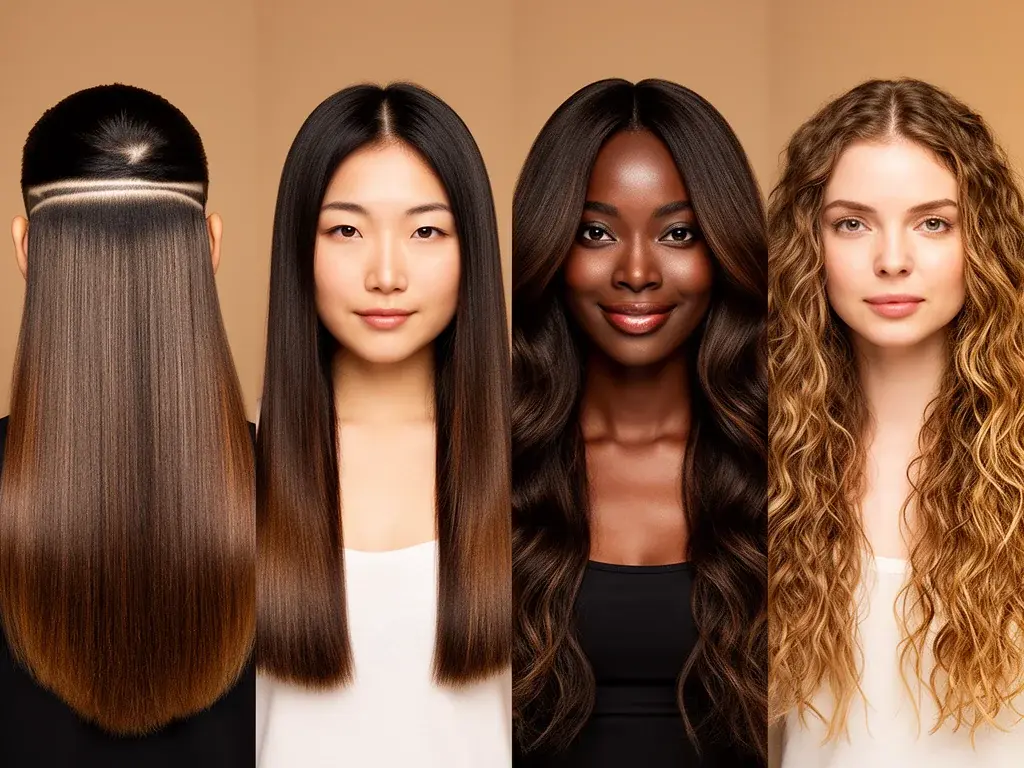
Women with long hairstyles — v-cut layers, blunt long hair, butterfly cut, and beach waves
Long HairV-CutU-CutButterfly CutBeach WavesRapunzel2026

Quick Picks

V-Cut Layers

V-Cut Layers

Adds shape to long hair without losing a single inch of center length. The most structural long cut.

Blunt Long Hair

Blunt Long Hair

Maximum density, mirror-like shine. The anti-layer for women who want weight and impact.

Butterfly Cut

Butterfly Cut

Crown volume meets long length. The cut that makes long hair look as full at the top as the bottom.

Beach Waves

Beach Waves

Not a cut — a texture. Works on any long haircut and adds movement without scissors.

Quick Comparison

Find your match at a glance - tap any row to learn more.

Cuts That Give Long Hair Shape

Long hair without structure just hangs. These cuts add silhouette, movement, or weight distribution without sacrificing length.

V-Cut Layers
Trending

V-Cut Layers

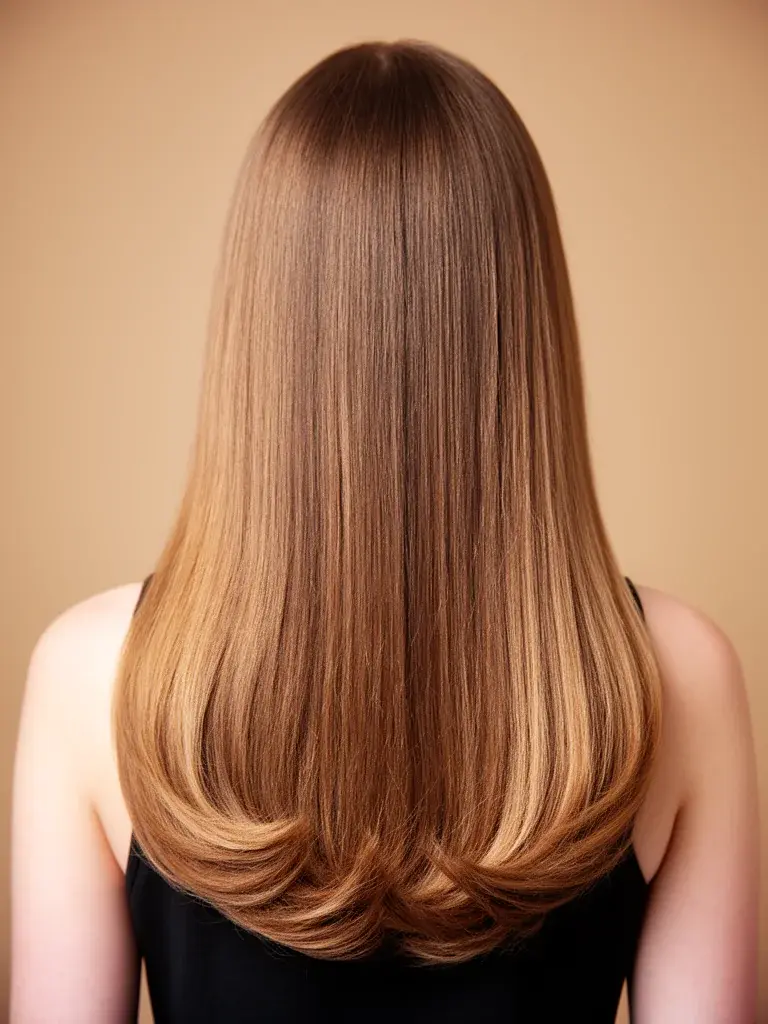
Layers that taper to a sharp V-point at the back. The haircut that keeps your length but kills the weight — drama without sacrifice.

Blunt Long Hair

Blunt Long Hair

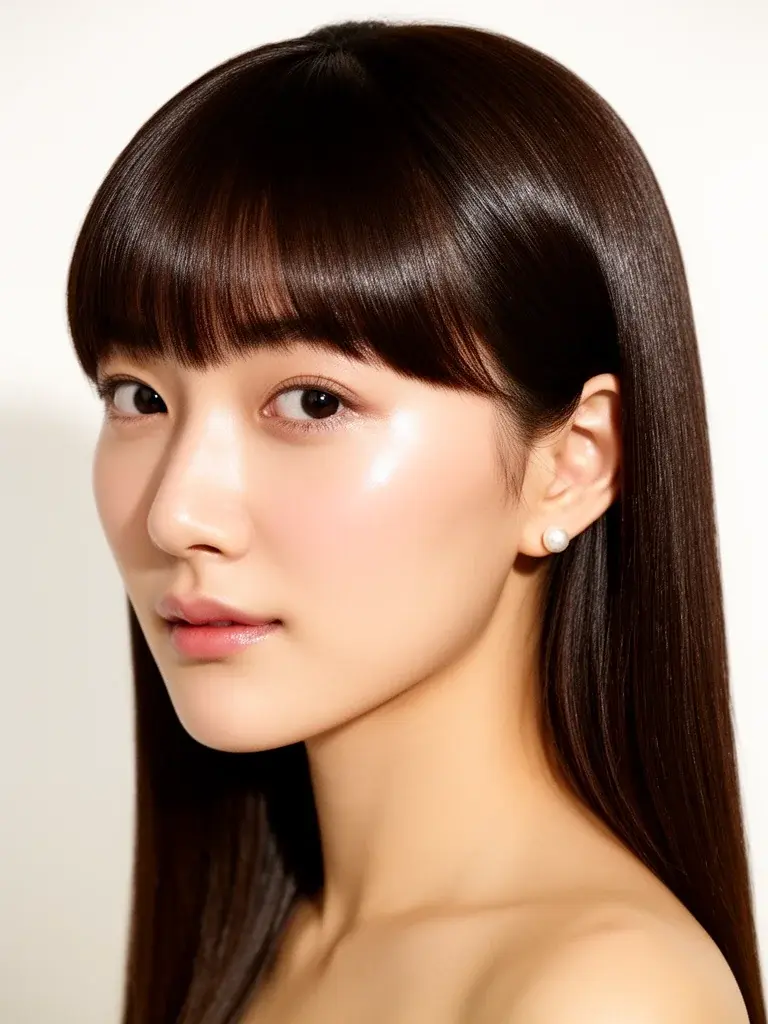
One length, zero layers, mirror-like shine. The blunt long cut is the anti-layer — maximum density, maximum impact, minimum complexity.

Shoulder-Length Layers

Shoulder-Length Layers

Layers at shoulder length don't try to be a statement. They remove weight, add movement, and make flat one-length hair fall the way you always wanted it to. The most frequently underestimated change you can make.

U-Cut Ends

U-Cut Ends

Ends shaped into a gentle U-curve — rounder, softer, and fuller than a V-cut. The haircut that keeps every strand of density while adding shape.

Texture-Forward Long Styles

The wave and curl techniques that make long hair interesting. These work on top of any structural cut.

Butterfly Cut
Trending

Butterfly Cut

The butterfly cut is named for how the layers look in motion — two curved, lifted sections that open like wings. It's the most feminine of the current layer trends, built on softness over edge.

Beach Waves
Trending

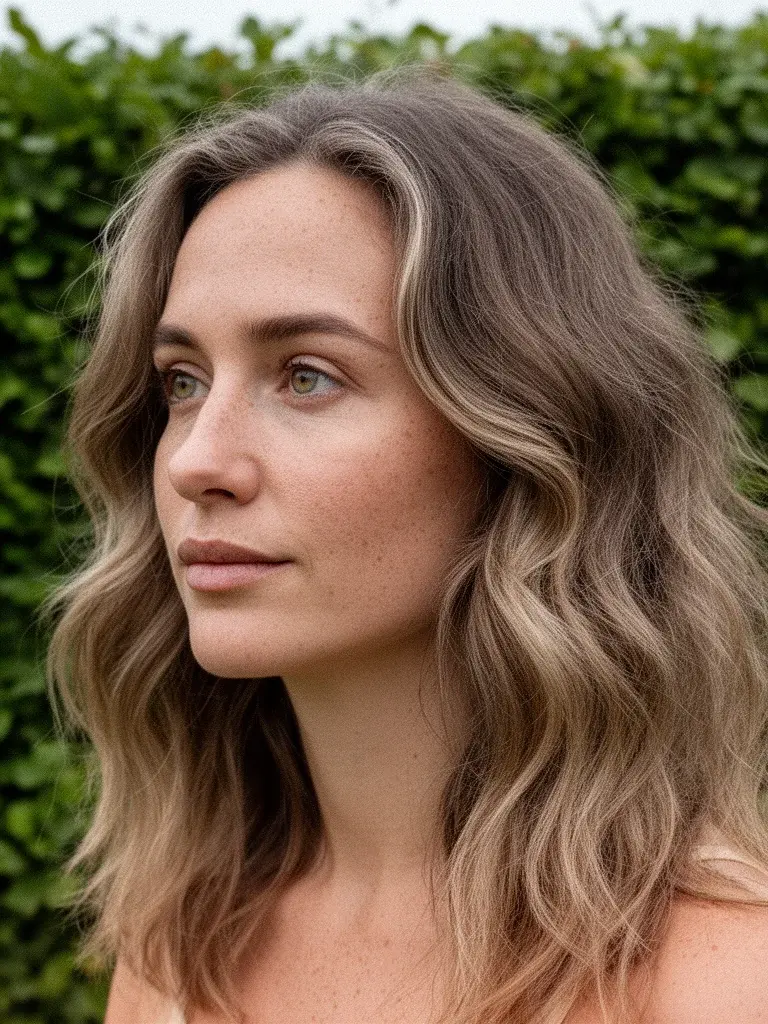
Beach Waves

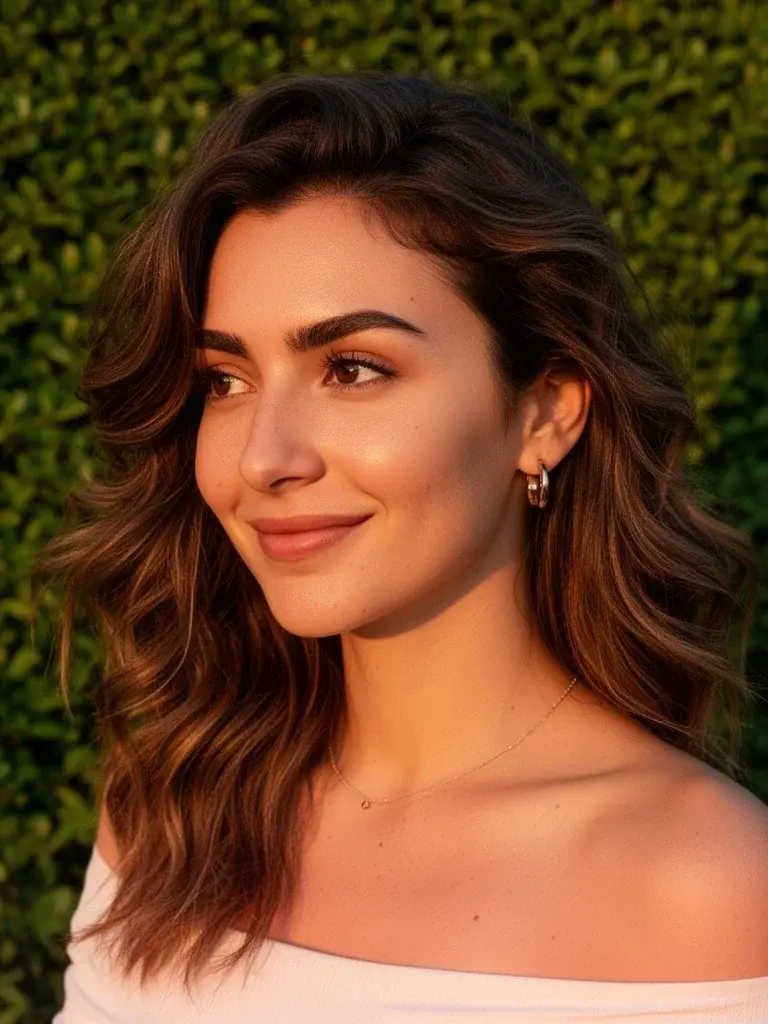
Loose, tousled waves that look like you just stepped off the sand. The most requested 'effortless' style — which ironically takes some effort to get right.

Boho Waves

Boho Waves

Boho waves aren't a haircut — they're a styling method. Relaxed, slightly irregular waves that look like you've been at the coast for a week. No trip to the salon required.

Hollywood Waves

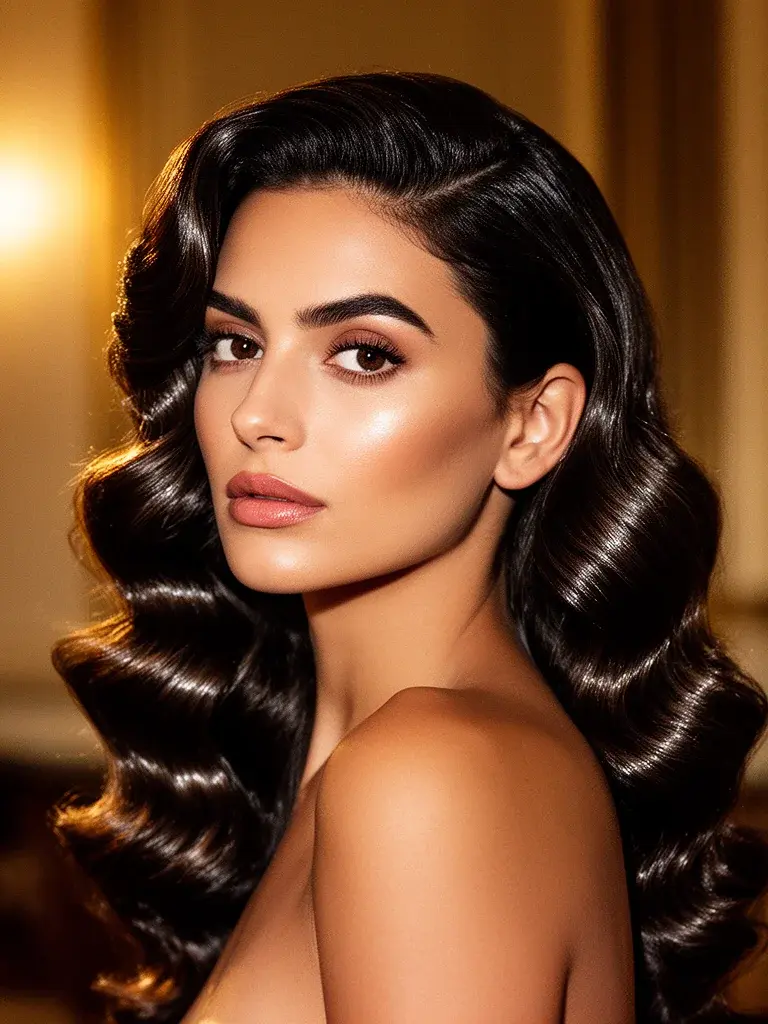
Hollywood Waves

Deep side part, glossy S-waves, Old Hollywood energy. The red-carpet style that translates to weddings, events, and Tuesday nights when you feel like it.

Statement Lengths

Hair that makes an entrance before you do. Waist-length, hip-length, or longer — these are the styles measured in years of patience, not salon visits.

Rapunzel Hair

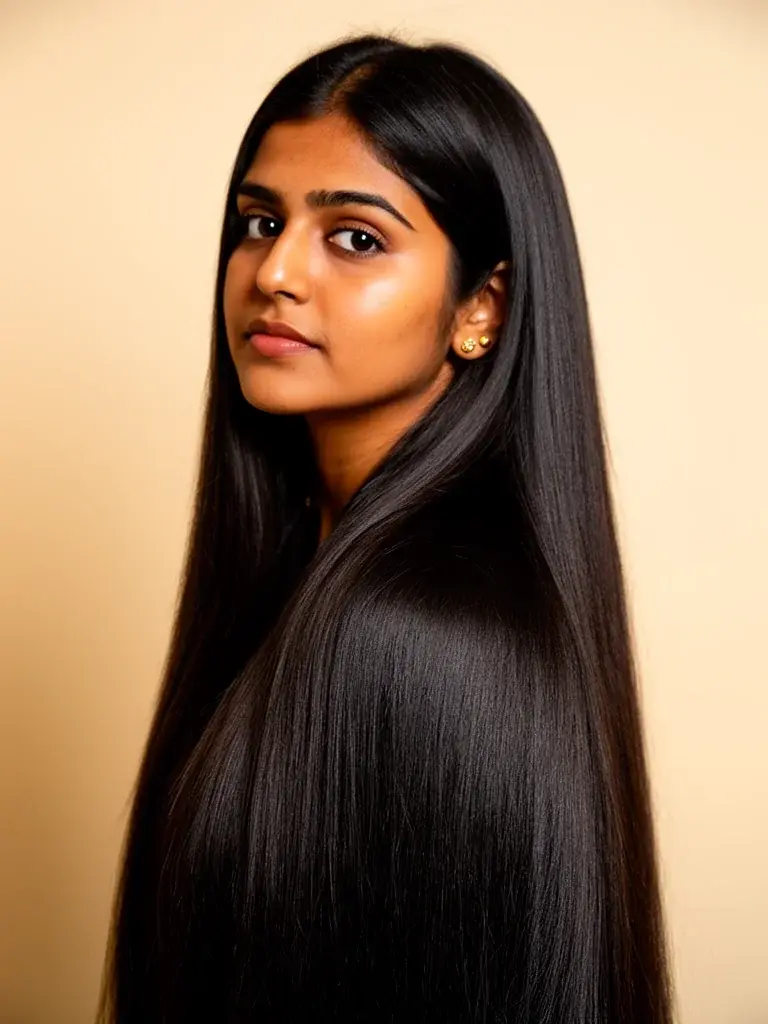
Rapunzel Hair

Hair past the waist — dramatic, statement-making, unmissable. Rapunzel hair isn't a cut, it's a commitment measured in years, not salon visits.

Long Hair Has a Structure Problem

Growing hair long is patience. Keeping it looking good is a cut. Most women with long hair are under-cut — they add length without ever adding shape, and the result is flat at the crown, shapeless from behind, and heavy at the bottom.

Three approaches fix this, and they're not mutually exclusive:

Shape cuts give long hair a silhouette from the back. V-cut layers create a dramatic tapered point. Blunt long hair creates a dense, clean edge with maximum weight. Both are structural decisions — they define what your hair looks like when you do nothing to it.

Texture techniques add movement without changing the cut. Beach waves and boho waves work on top of any structural cut. Hollywood waves are more formal but use the same principle: bending the hair to create visual interest that straight long hair lacks.

Hybrid cuts do both at once. Butterfly cut builds volume at the crown with short internal layers while keeping the length intact below the shoulders. Shoulder-length layers work for women who want long-ish hair with more movement than a single-length cut provides.

Pick your approach based on what bothers you about your current long hair. Flat on top? Butterfly cut. No shape from behind? V-cut. Looks limp? Texture technique. Ends look thin? Blunt cut.

What to Tell Your Stylist

The phrase "just a trim" is where long-hair cuts go wrong. Your stylist hears "remove the minimum" — but what you probably mean is "keep my length while fixing [specific problem]." Say the second thing.

The reference photo rule for long hair: bring a back view. Front-facing photos of long hair all look roughly the same. The back is where V-cut, U-cut, and blunt differ — and where your stylist needs the most clarity.

Length preservation language that works:

  • "I want to keep my current length at the longest point" — protects your center length on a V-cut
  • "Take the minimum off the ends, I'm growing it out" — your stylist will dust 1/4 inch
  • "I want the back shape to be [V/U/blunt] but I don't want to lose more than [X] inches overall"

The "just a trim" trap: if you haven't had a proper cut in 6+ months, a trim won't fix structural problems. It removes split ends from the perimeter but doesn't add layers, shape, or movement. If your hair is long but boring, you need a cut — not a trim. Tell your stylist what you want the hair to do, not just how much to remove.

See Long Styles On Your Face

Upload a selfie and try V-cut, butterfly cut, or beach waves in seconds. No commitment, no stylist fee.

Try It On Now

Frequently Asked Questions

What is the most popular long hairstyle for women in 2026?

Butterfly cut by search volume growth, V-cut in actual salon requests, beach waves as a styling technique outranks both. The butterfly cut wins on social media because it photographs well — the short face-framing pieces create obvious before/after contrast. V-cut wins in salons because it's the most universally flattering structural cut for long hair. Beach waves aren't a cut at all, but they're the single most requested styling technique on long hair regardless of the underlying cut.


Should I get a V-cut or a U-cut for long hair?

V-cut: sharp point at center back, dramatic taper, more visible layering, hair falls in two curtains when pulled forward. [U-cut](/blog/women-hairstyles/style/u-cut-ends): soft rounded curve, fuller ends, less dramatic layering, better for braids and updos because the ends are more even. If you wear your hair down 90% of the time, [V-cut](/blog/women-hairstyles/style/v-cut-layers) gives more shape. If you alternate between down and up styles, U-cut is more versatile.


Can fine hair look good long?

Yes — with a [blunt long hair](/blog/women-hairstyles/style/blunt-long-hair) cut that preserves every strand of density at the ends. Avoid heavy layering on fine hair; it thins the perimeter and makes long hair look wispy instead of intentional. [Beach waves](/blog/women-hairstyles/style/beach-waves) add visual fullness without cutting. If you want layers on fine long hair, keep them minimal and concentrated near the face.


How do I keep thick long hair manageable?

Internal layers or a [V-cut](/blog/women-hairstyles/style/v-cut-layers) — both remove bulk from underneath while preserving the surface appearance of thick, full hair. Internal layers are invisible; your stylist thins from beneath the top layer so the outside still looks dense. V-cut removes weight gradually toward the ends. Either approach cuts drying time and eliminates the triangle shape thick long hair tends to form.


How often should long hair be trimmed?

Depends on the cut. [Blunt long hair](/blog/women-hairstyles/style/blunt-long-hair) needs trims every 8–10 weeks to keep that clean line — any split ends are immediately visible on a blunt edge. [V-cut layers](/blog/women-hairstyles/style/v-cut-layers) can stretch to 10–12 weeks because the tapered ends hide minor wear. [Butterfly cut](/blog/women-hairstyles/style/butterfly-cut) needs attention every 8–10 weeks because the short crown layers grow out fast and lose their volume effect.


What long hairstyle is best for my face shape?

Oval: any long cut works — you have the most flexibility. Round: [V-cut layers](/blog/women-hairstyles/style/v-cut-layers) — the diagonal lines elongate. Square: soft waves like [beach waves](/blog/women-hairstyles/style/beach-waves) or [boho waves](/blog/women-hairstyles/style/boho-waves) to soften angular jaw. Heart: [butterfly cut](/blog/women-hairstyles/style/butterfly-cut) — the short crown pieces balance a wider forehead with a narrow chin. Oblong: avoid all-one-length — add waves or face-framing layers to create width.


What should I tell my stylist for a long haircut?

Three specifics that prevent miscommunication: (1) Back shape — say 'V-cut,' 'U-cut,' or 'blunt straight across.' (2) Where layers start — 'chin-length face framing' or 'layers starting at my collarbone' is precise; 'just some layers' is not. (3) How you want the ends finished — 'blunt and thick' or 'point-cut for texture.' Bring a photo showing the back view, not just the front. The back is where most long-hair disappointments happen.


How long does it take to grow super long hair?

Average hair grows 6 inches per year. Mid-back takes 2-3 years from shoulder length; waist takes 3-4 years; hip takes 4-5+ years. The timeline depends less on growth speed and more on retention — preventing breakage is what separates shoulder-length plateaus from [rapunzel hair](/blog/women-hairstyles/style/rapunzel-hair). Most women who reach waist length credit protective styling and minimal heat, not supplements or special products.