

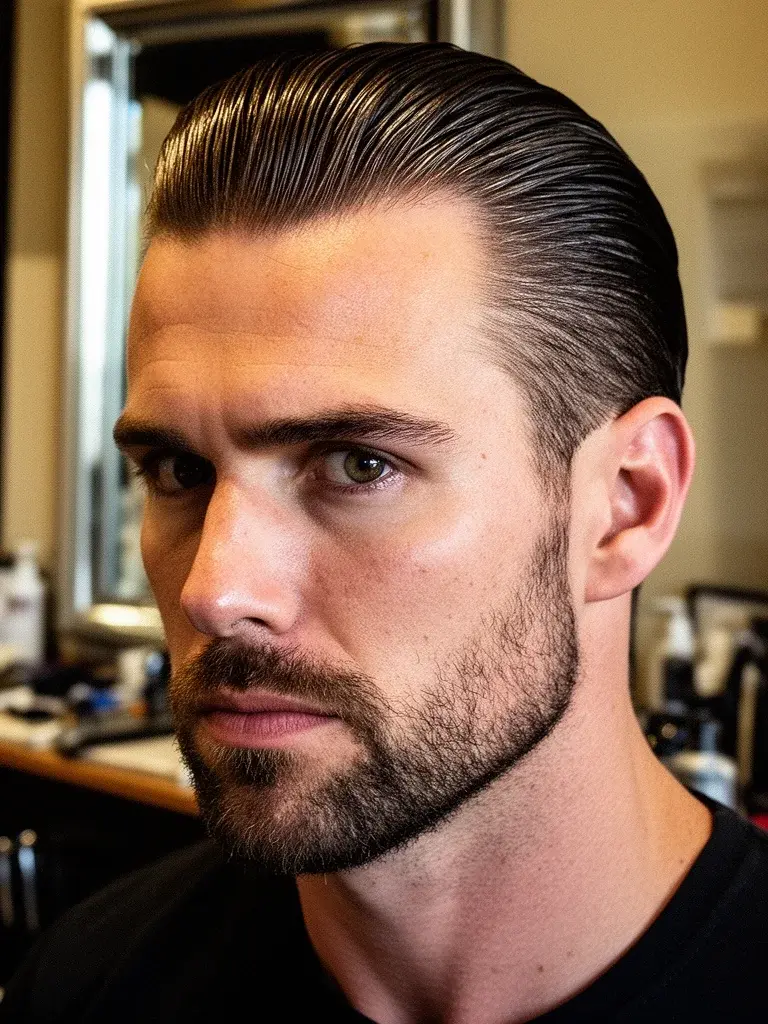

Understanding Fade Levels
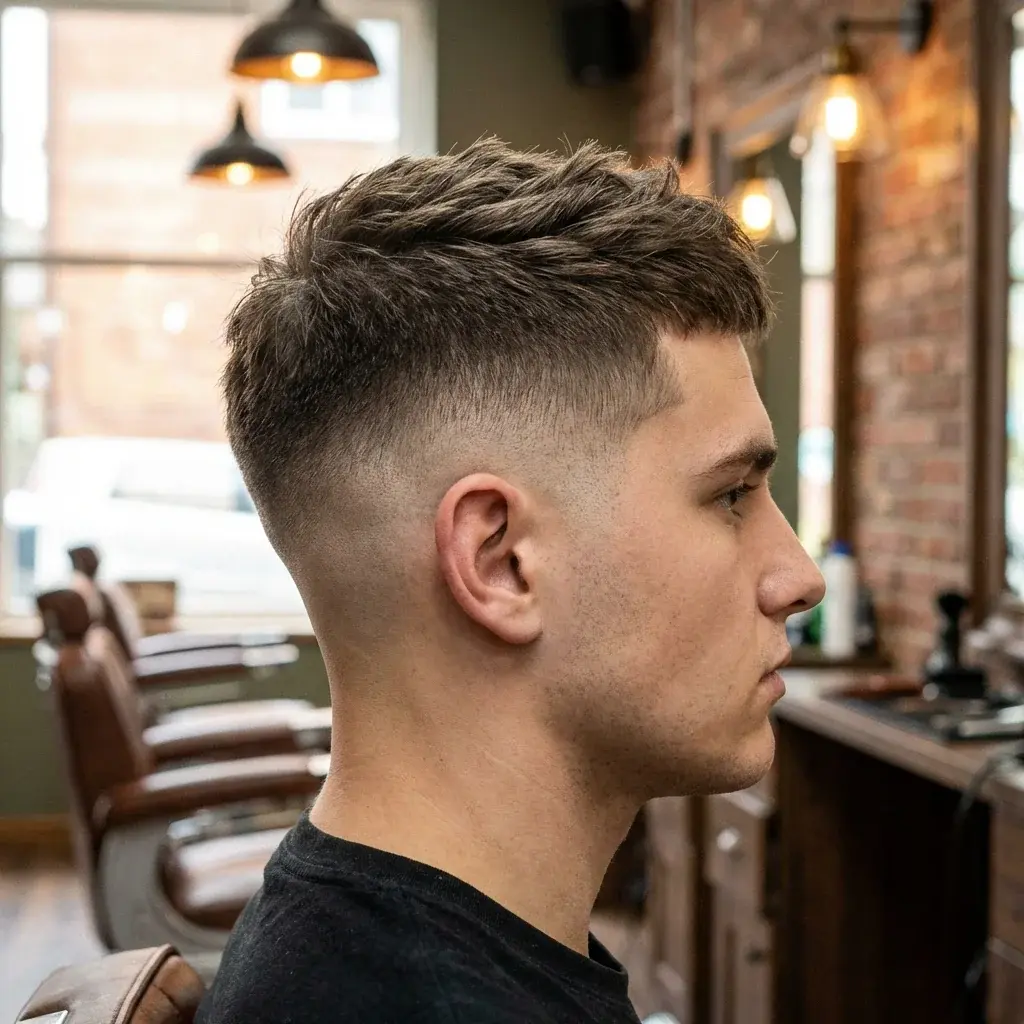
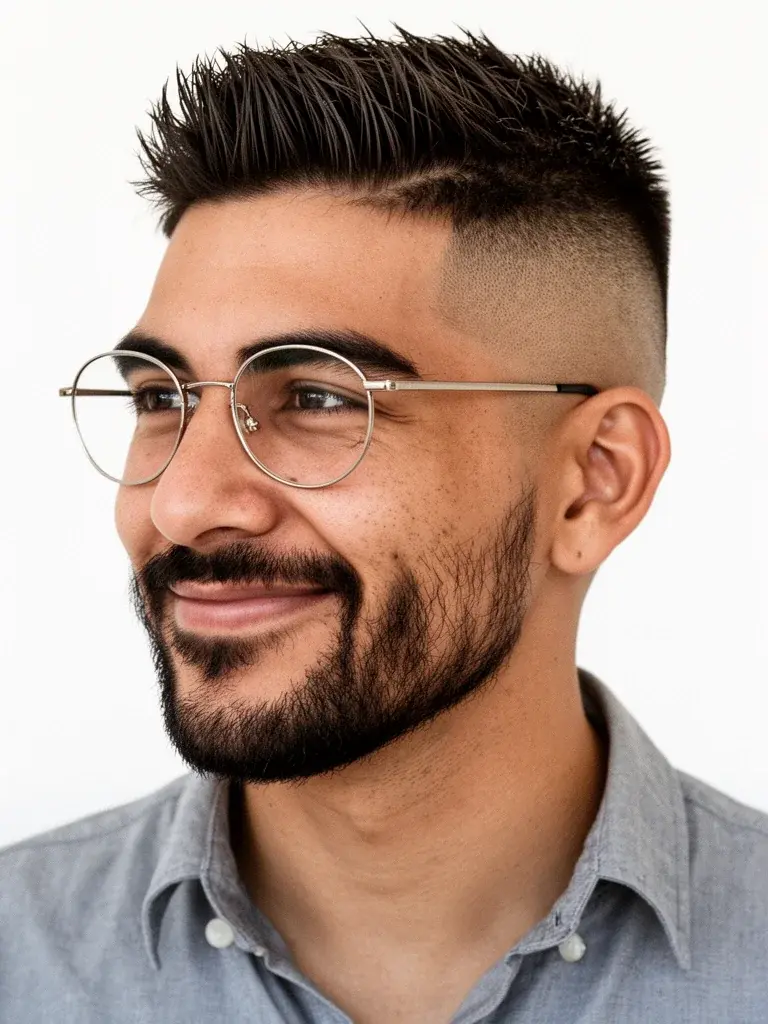
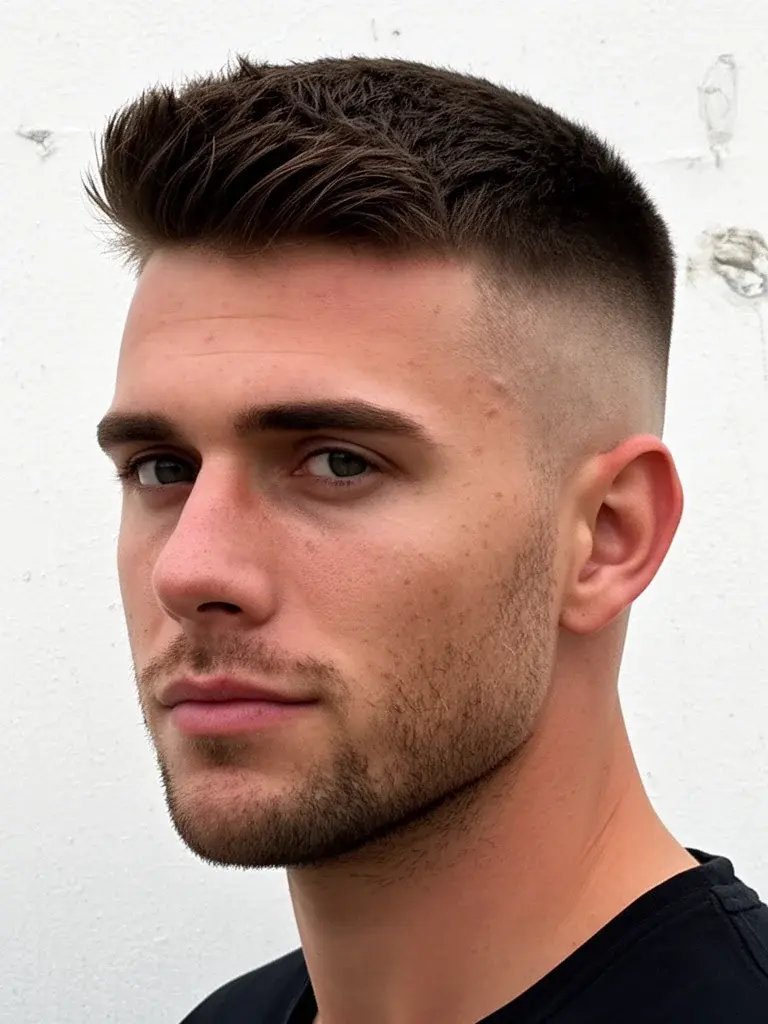
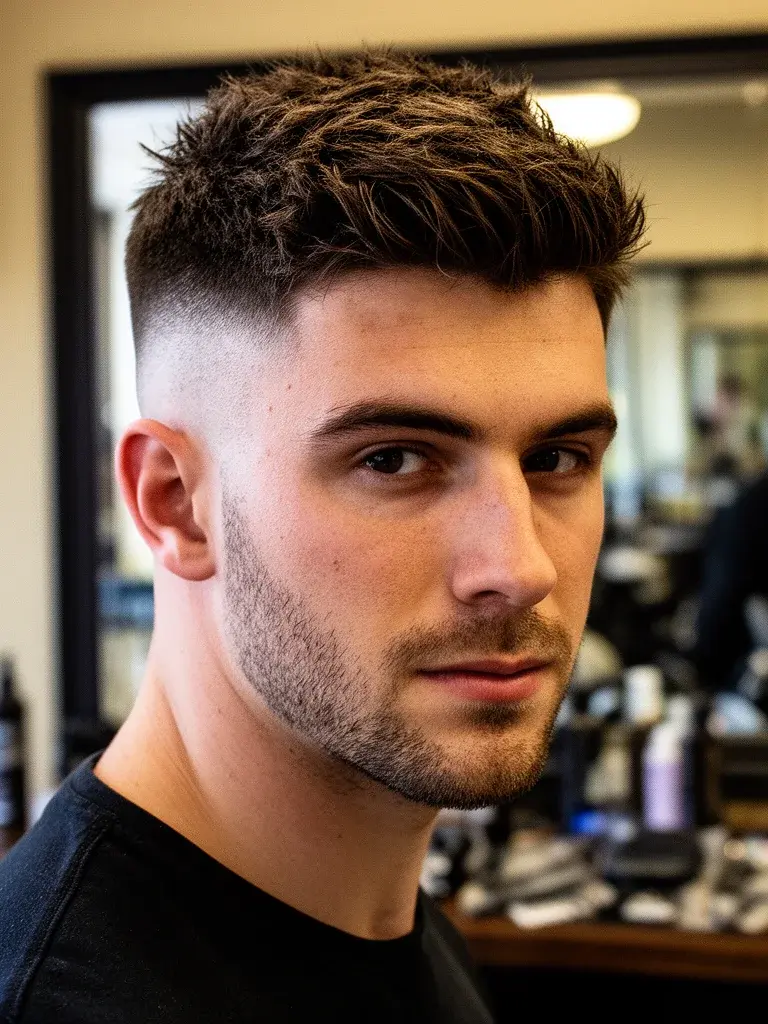
A fade is a gradient — hair goes from longer on top to progressively shorter on the sides and back. The difference between fade types is where the shortest point starts and how short it goes.
Taper Fade — The Subtle One
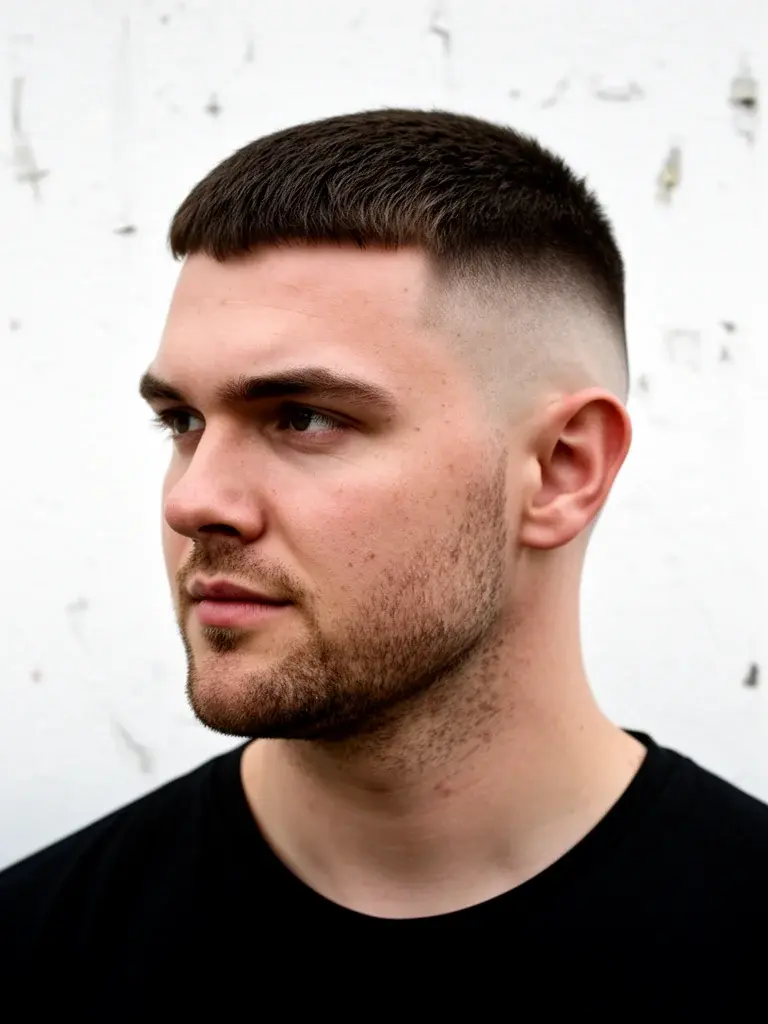
Hair shortens gradually toward the neckline and around the ears, but never reaches skin. It's the least dramatic option and the easiest to maintain. A taper fade grows out cleanly — you won't look unkempt at week four.
Best for: First-timers, office environments, anyone who goes 3-4 weeks between cuts.
Low Fade — The Versatile One
The fade starts just above the ears and neckline. It's modern without being extreme. Google Trends data shows low fade consistently among the highest-searched fade terms — and for good reason. It works on almost every face shape and hair type.
Best for: Oval, round, and square faces. Works with straight, wavy, and curly hair equally.
Mid Fade — The Sweet Spot
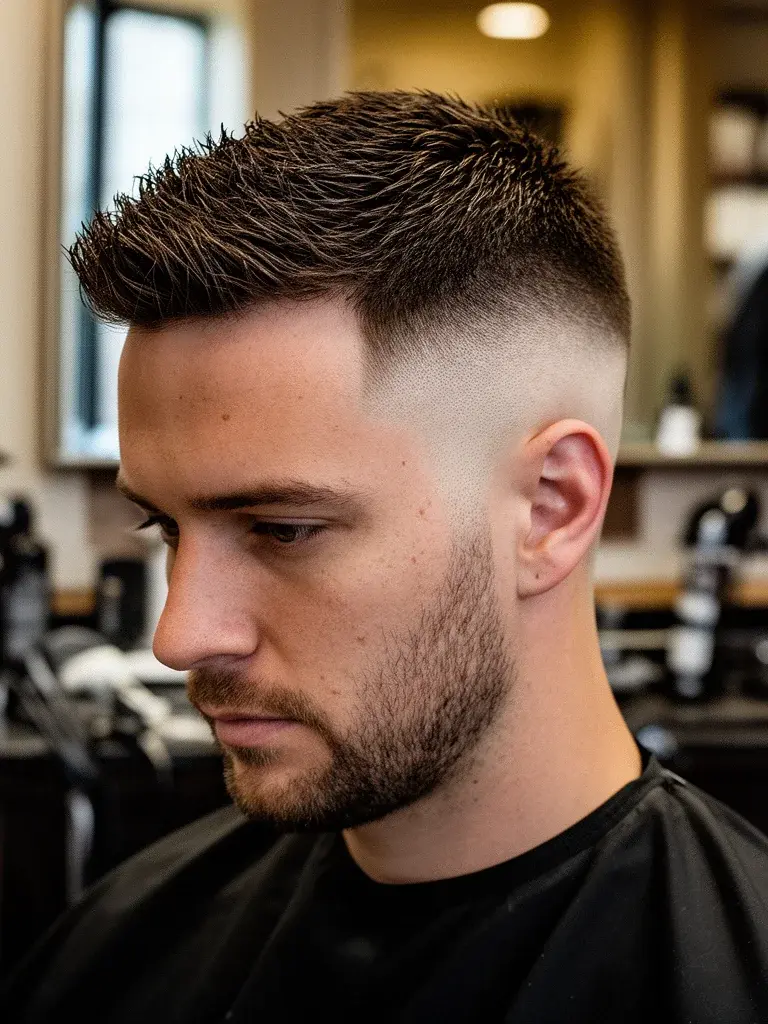
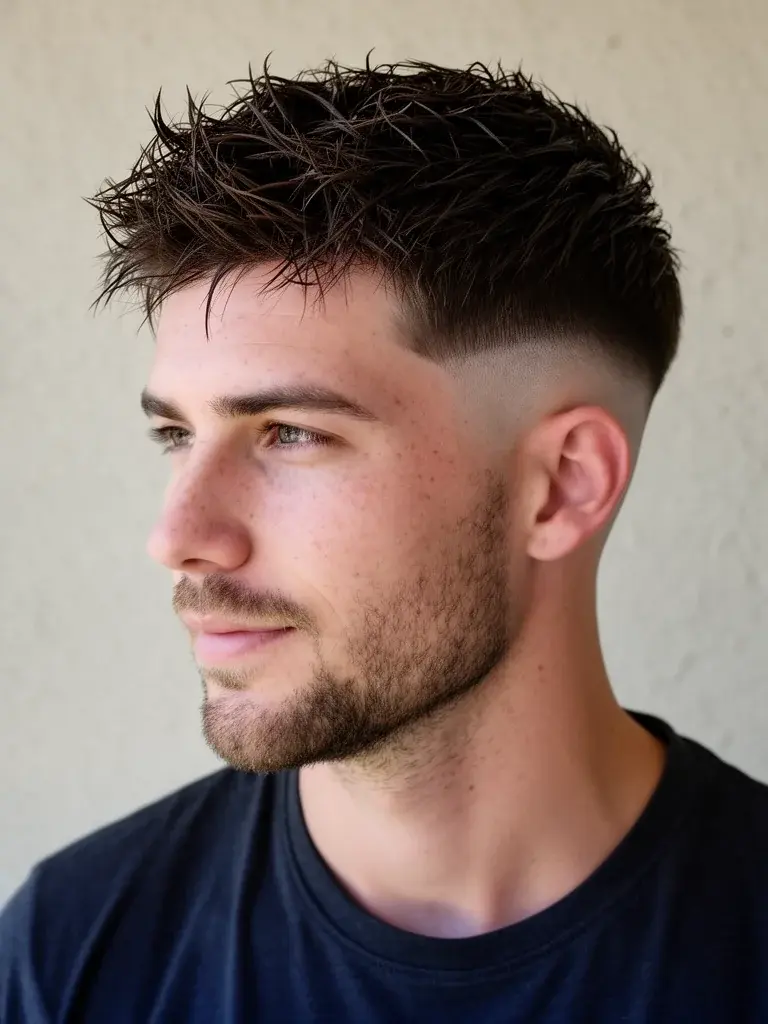
Starts at the temples, roughly at eye level. More visible contrast than a low fade, but not as sharp as a skin fade. The mid fade is the most popular choice in barbershops right now — it photographs well and suits most face shapes.
Best for: Anyone who wants noticeable contrast without extreme maintenance.
Skin Fade — The Sharp One
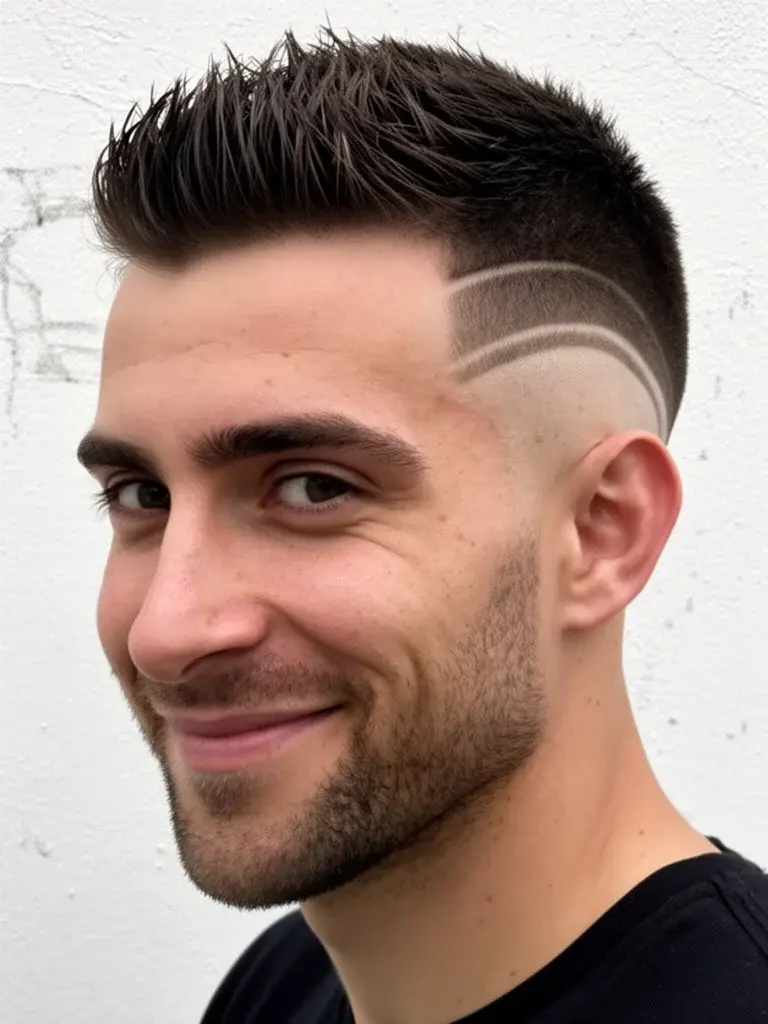
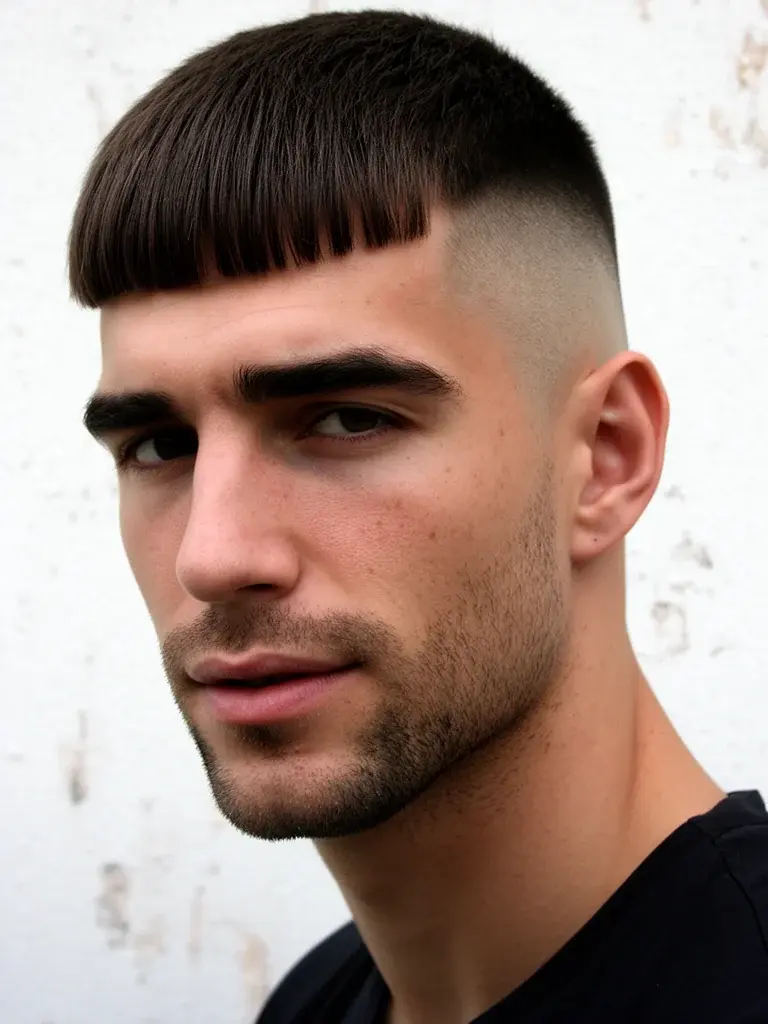
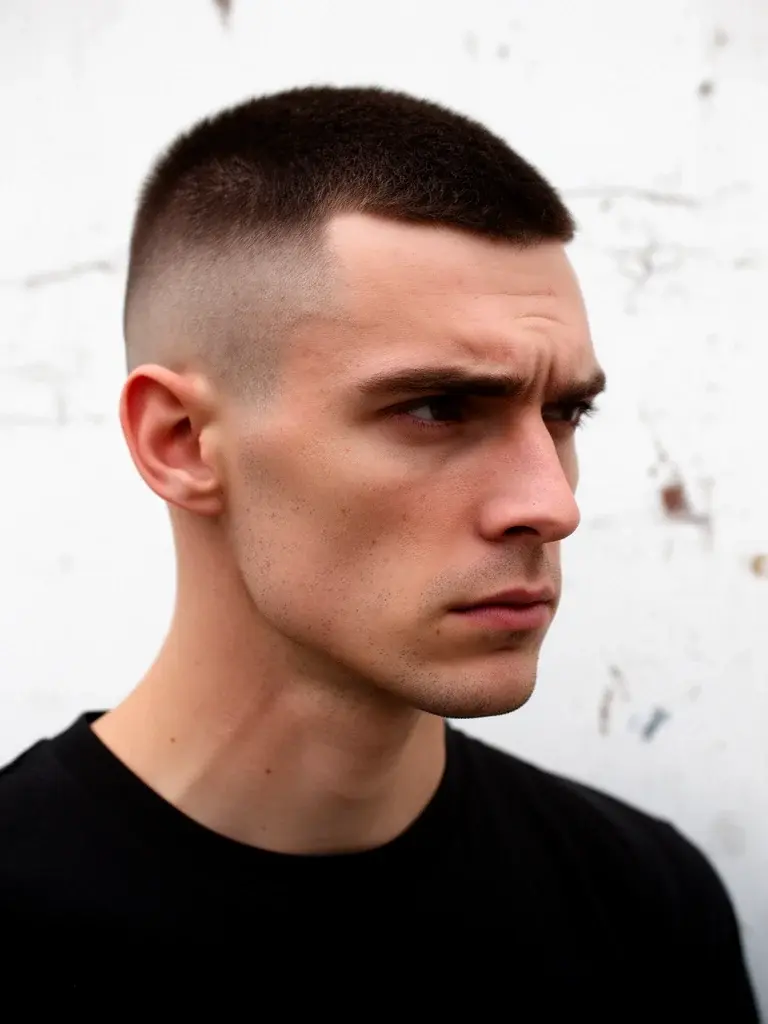
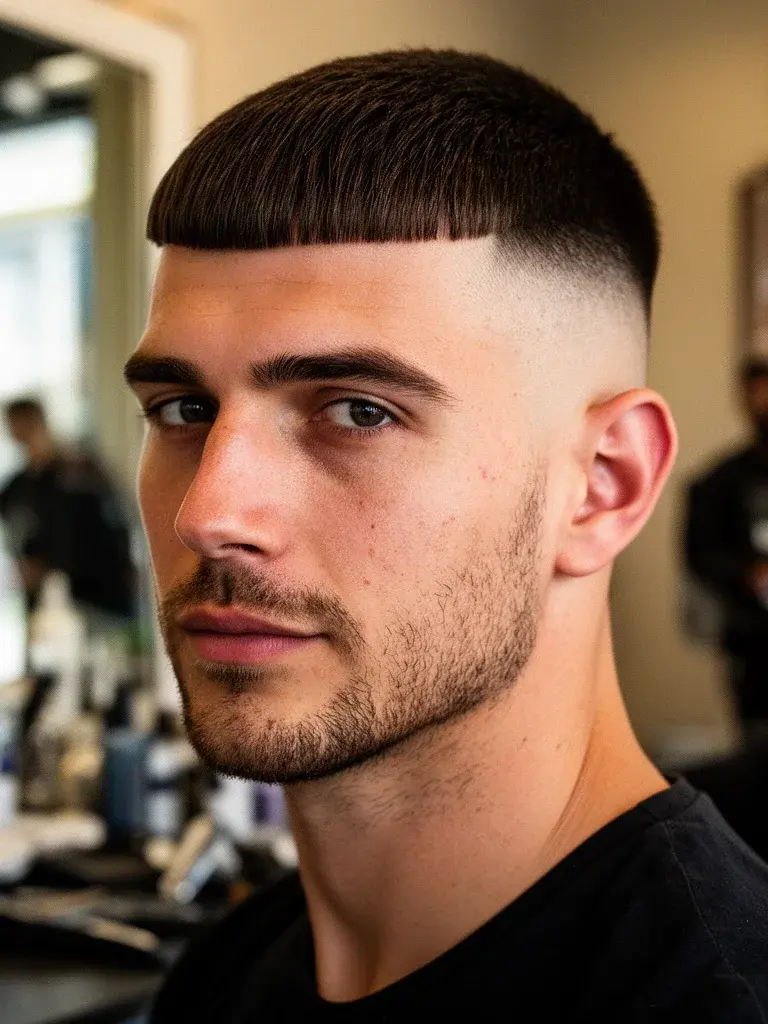
Goes all the way down to bare skin. Maximum contrast, maximum "I just left the barber" energy. A skin fade looks incredible on day one — and starts losing its edge by day ten. You're committing to frequent visits.
Best for: Square and diamond faces. People who enjoy the barber ritual.
Burst Fade — The Unique One
Instead of a straight horizontal line, the burst fade curves around the ear in an arc. It creates a distinctive silhouette that pairs beautifully with curly or longer top styles.
Best for: Curly and thick hair. Oval and diamond faces. Anyone who wants something different.
How to Choose Your Fade Level
Conservative settings? Start with a taper fade. No one has ever been sent home for a taper.
Want modern but safe? Low fade. It reads "well-groomed" in every context.
Want the Instagram look? Mid fade or skin fade. Be honest about your willingness to visit the barber biweekly.
Curly hair? Burst fade was designed for you. The curve follows your natural curl pattern.
What Goes On Top?
A fade is the foundation — the top is where your personality shows:
- Short + structured: Crew cut or French crop on top. Clean, minimal styling needed.
- Textured: Textured crop or modern buzz. Messy on purpose. Matte product, done.
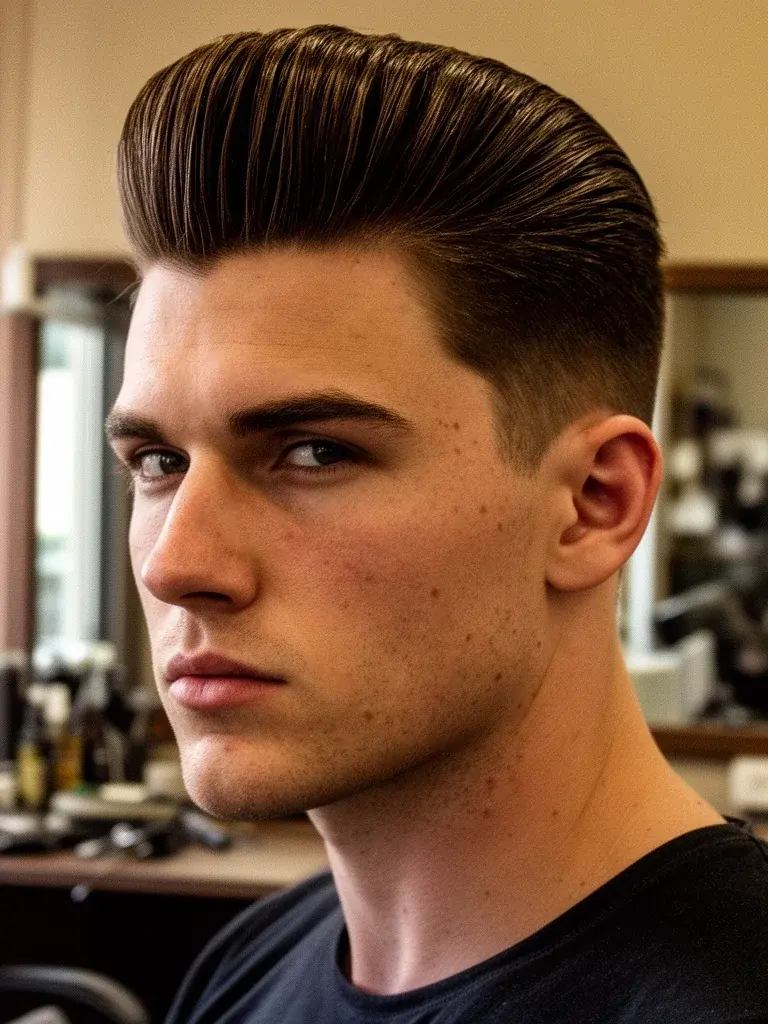
- Volume: Soft quiff or pompadour. Blow-dry required, but the payoff is major.
- Slick: Slicked back. Pomade, comb, confidence.
What to Tell Your Barber
The safe request: "Taper on the sides, keep it natural, 2 inches on top, blend it clean." → Gets you a taper fade with a classic top.
The balanced request: "Low fade to a one guard, 2-3 inches on top with texture, keep the blend smooth." → Gets you a low fade with a textured crop top.
The bold request: "Mid skin fade, three inches on top, I want contrast." → Gets you a skin fade that turns heads.
Which Fade for Your Face Shape
Round Face
Go higher. A mid fade or high fade raises the fade start point, creating the illusion of a longer face. Avoid very low fades — they maintain width at ear level, which amplifies roundness.
Square Face
Any fade works. The angular jawline benefits from clean contrast. A skin fade sharpens the definition. A burst fade softens the corners slightly without losing structure.
Oval Face
The full spectrum is available. Low fade for versatility, skin fade for maximum impact. You have the easiest choice of anyone.
Diamond / Heart Face
Preserve some weight at the temples. Low fade or taper fade keeps the proportions balanced. Avoid high fades that narrow the already-slim upper face.
Oblong Face
Keep the fade low. High fades add vertical emphasis — the opposite of what an oblong face needs. A taper fade or low fade maintains horizontal balance.
Which Fade for Your Hair Type
Straight Hair
Straight hair shows every transition clearly — which makes fades look especially sharp. A skin fade on straight hair is one of the cleanest looks in a barbershop. Taper fades are equally precise.
Wavy Hair
Waves naturally soften the blend. Low fades and taper fades sit beautifully against wavy texture — the natural movement does half the styling work.
Curly Hair
The burst fade was built for curly hair. The arc follows the natural curl pattern instead of cutting across it. A skin fade with curly top creates bold contrast. Leave enough length (2+ inches) for curls to form properly.
Thick Hair
Any fade cuts through density effectively. Mid fades on thick hair create dramatic contrast. The skin fade on thick hair is particularly striking — the transition from nothing to full volume is immediate.
Fine Hair
Taper fades and low fades are the safer choices. They add structure without exposing too much scalp. Skin fades that extend too high can make fine hair look even thinner at the sides.
Maintenance Frequency by Fade Type
Taper & Low Fade (Every 3–4 Weeks)
Growth is gradual and the blend stays soft. Missing a week or two is noticeable only up close.
Mid Fade (Every 2–3 Weeks)
The contrast starts to blur around week three. Still presentable, but losing the clean line that makes mid fades distinctive.
Skin Fade (Every 1–2 Weeks)
Stubble shows on bare skin within days. By week two, the contrast that defines a skin fade is gone. This is a lifestyle decision, not just a haircut.