
Bangs Hairstyles for Women (2026 Guide)

Which bangs actually suit your face? Curtain, wispy, bottleneck, blunt, side-swept — compared by face shape, hair type, and how much daily work you're willing to do.

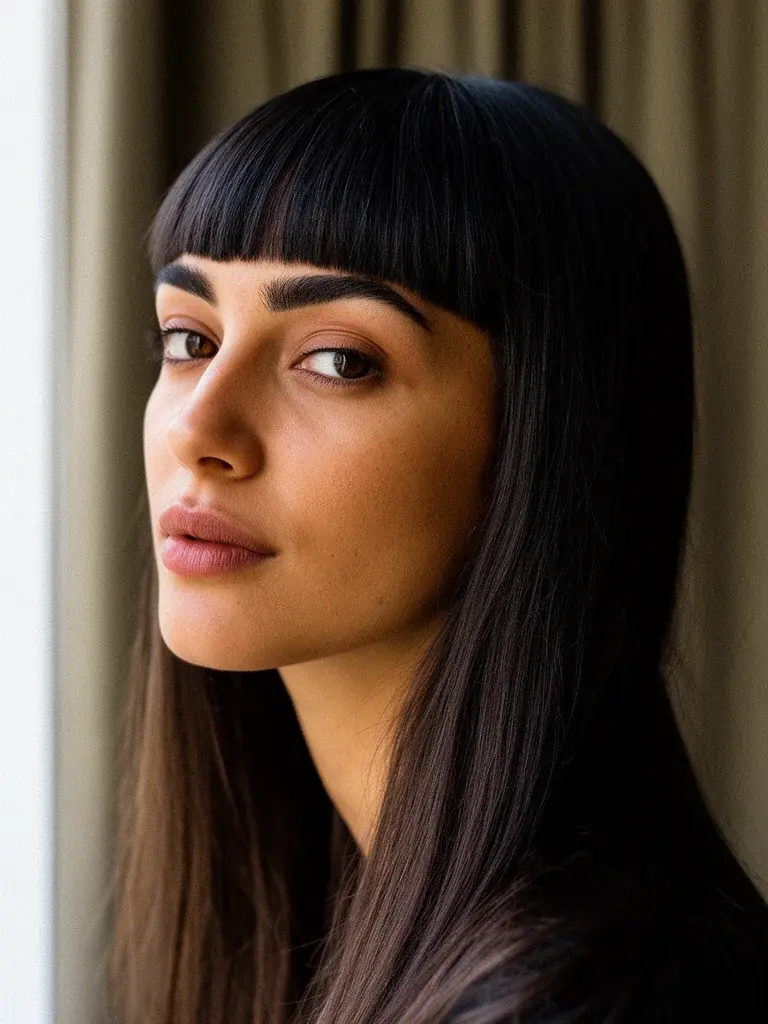
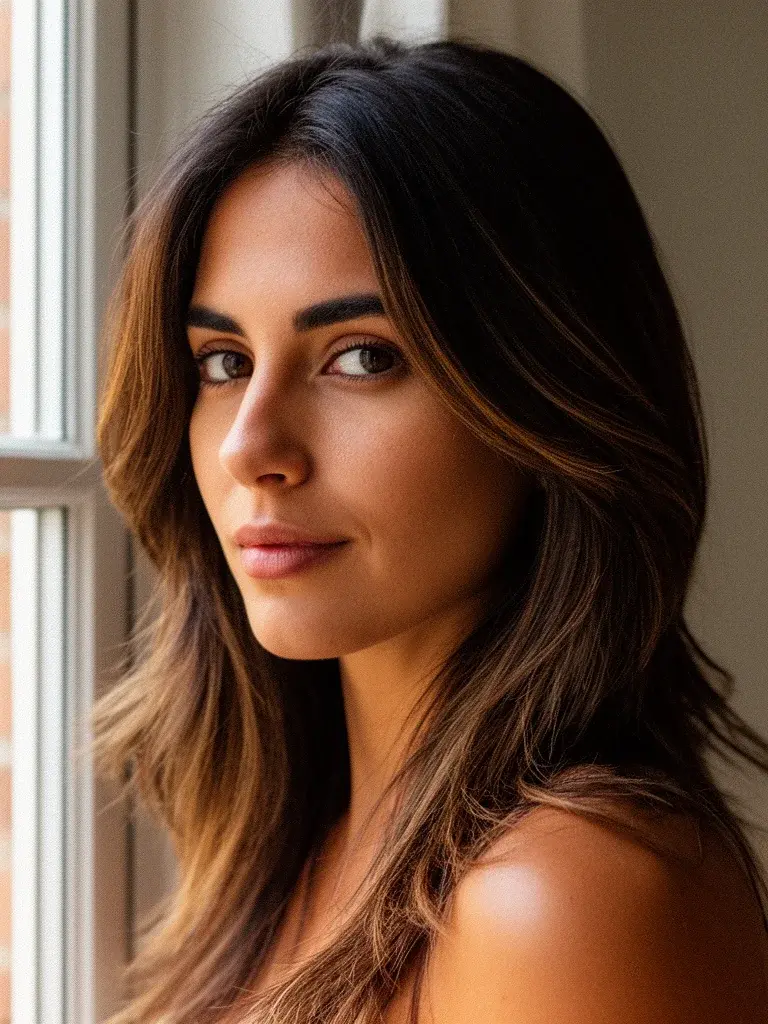
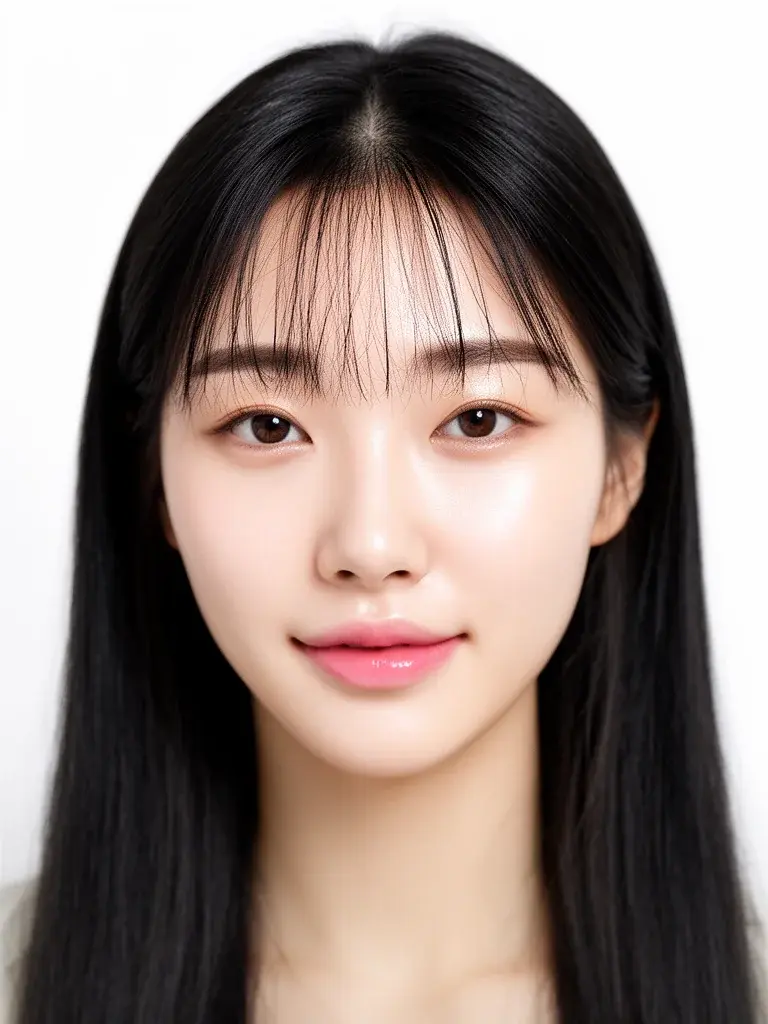
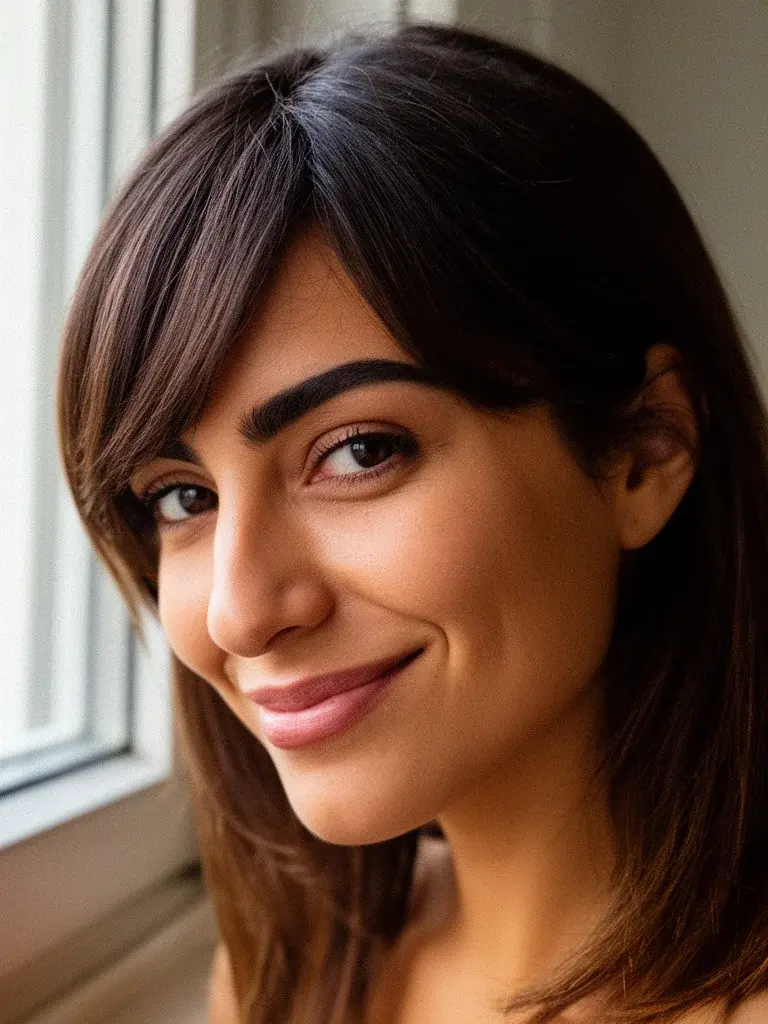
Six women modeling different bangs styles including curtain, wispy, blunt, bottleneck, and side-swept bangs
BangsFringeFace FramingCurtain BangsBottleneck BangsBlunt Bangs

Quick Picks

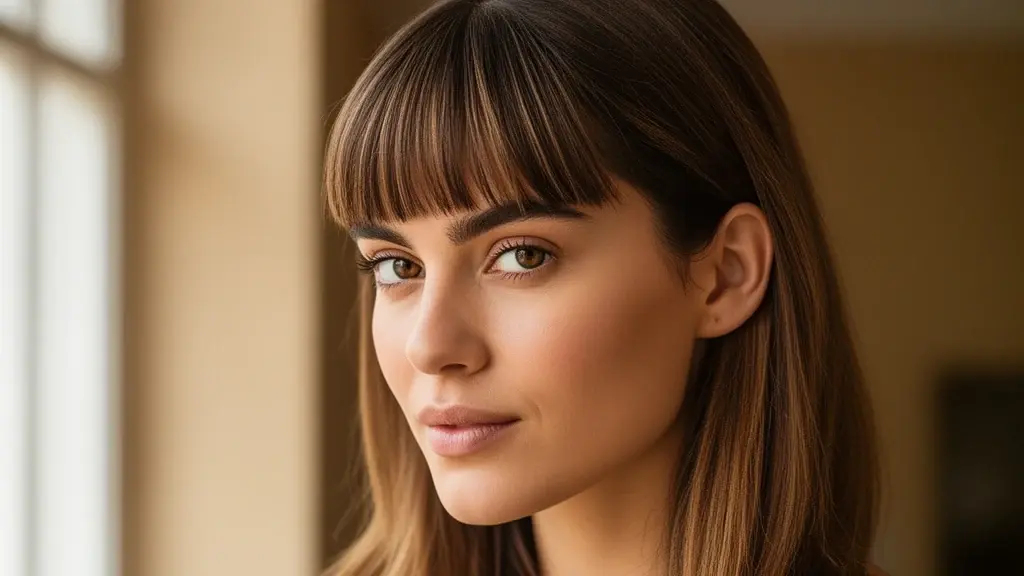
Curtain Bangs

Curtain Bangs

The safest first bang — grows out invisibly and suits every face shape. Zero awkward phase.

Bottleneck Bangs

Bottleneck Bangs

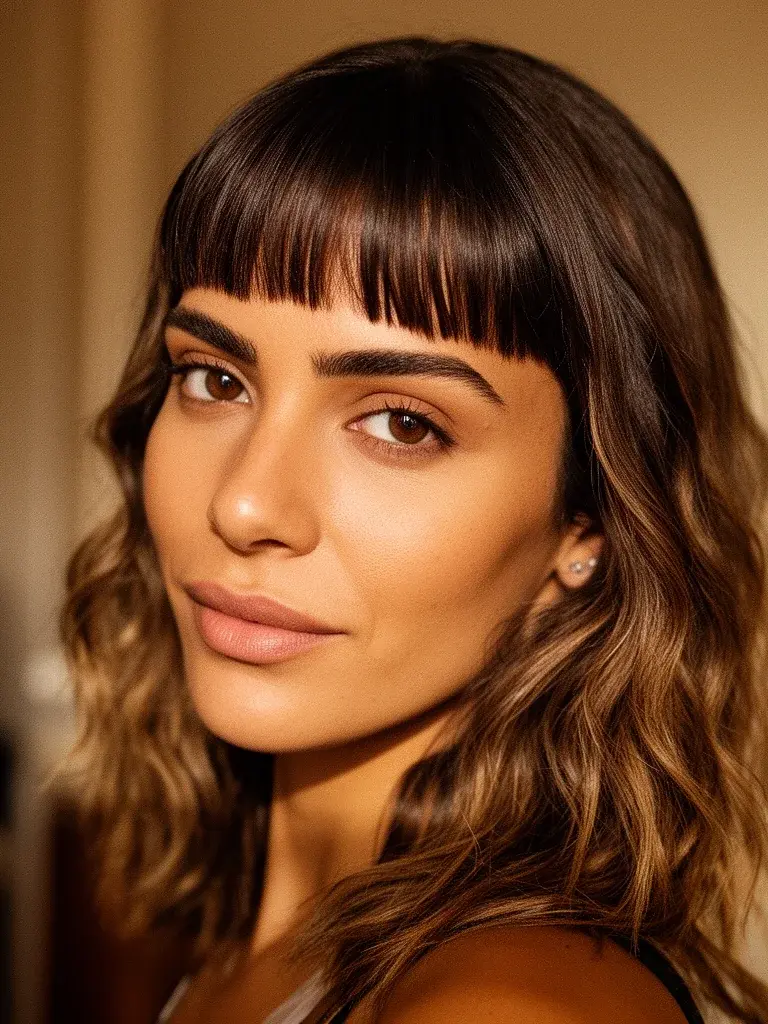
The '70s revival fringe. Wider at the cheeks, narrower at center — frames without hiding.

Blunt Bangs

Blunt Bangs

Maximum impact, maximum commitment. One clean line that changes everything.

Quick Comparison

Find your match at a glance - tap any row to learn more.

Soft & Face-Framing

These grow out gracefully and blend into your layers. Low commitment, high impact. Includes face-framing layers as a no-bangs alternative.

Curtain Bangs
Trending

Curtain Bangs

Center-parted bangs that open outward like curtains, softly framing the face. The lowest-risk bang style — flattering on virtually everyone.

Wispy Bangs

Wispy Bangs

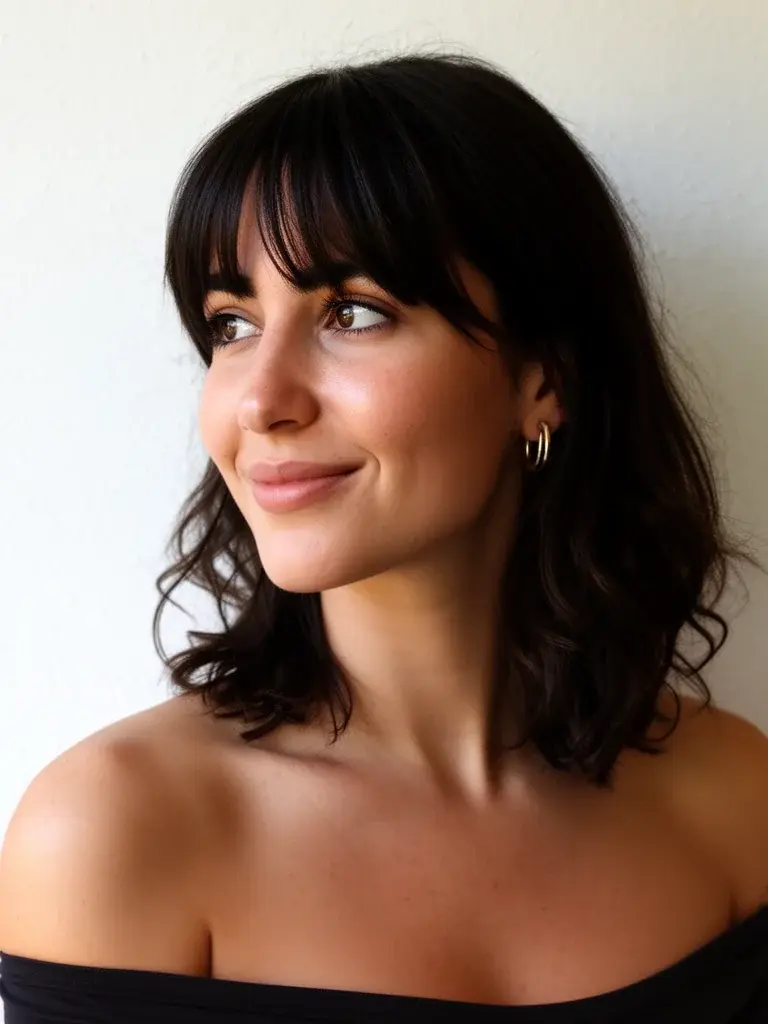
Not a wall of fringe, not a blunt curtain — wispy bangs are individual strands that brush the forehead with gaps in between. The lightest possible commitment to bangs.

Face-Framing Layers

Face-Framing Layers

Shorter pieces cut specifically around the face that add movement and definition without cutting into your overall length. The lowest-commitment way to change a long hairstyle.

Bottleneck Bangs
Trending

Bottleneck Bangs

Wider at the cheekbones, narrower at center — bottleneck bangs frame without hiding. The modern heir to Birkin's fringe.

Bold & Graphic

Statement bangs that require regular trims and daily styling. Worth it if you want bangs that define your entire look.

Blunt Bangs

Blunt Bangs

One clean line across the forehead. Blunt bangs are the boldest fringe commitment — and the most rewarding when done right.

Side-Swept Bangs

Side-Swept Bangs

Cut at an angle and swept to one side — side-swept bangs are the lowest-maintenance fringe option, with a grow-out phase that's almost invisible.

The Bangs Decision Framework

Choosing bangs comes down to three questions. Answer them in order and you'll know exactly which fringe to ask for.

1. How much forehead do you want to show?

Full coverage → Blunt Bangs: one clean line, entire forehead hidden.

Most covered, tapered → Bottleneck Bangs: center covered, temples framed with a graduated width.

Partial, center exposed → Curtain Bangs: center parts open, sides sweep along the cheekbones.

Barely there → Wispy Bangs: a translucent veil, not a curtain.

Asymmetric → Side-Swept Bangs: swept to one side, the rest of the forehead exposed.

No bangs, just framing → Face-Framing Layers: technically not bangs, but achieves a similar softening effect.

2. What's your face shape?

Face ShapeBest BangWhy
OvalAny — all workBalanced proportions handle any fringe style
RoundCurtain, bottleneckDiagonal lines elongate
SquareBottleneck, wispyTapered or soft lines soften the jawline
HeartCurtain, side-sweptFrame the wider forehead, add jaw-level width
OblongBlunt, bottleneckHorizontal line shortens the face
DiamondBottleneck, curtainSoften angular cheekbones

3. How much maintenance can you commit to?

Bang StyleTrim EveryDaily Styling
Curtain Bangs5–6 weeks2 min (round brush)
Wispy Bangs5–6 weeks1 min (finger-style)
Face-Framing Layers6–8 weeks0 min (no separate styling)
Bottleneck Bangs4–5 weeks1 min (finger-style)
Side-Swept Bangs3–4 weeks2 min (blow dry to side)
Blunt Bangs2–3 weeks3–5 min (blow dry flat)

Curtain bangs and wispy bangs are the lowest-maintenance options. Blunt bangs are the highest. Be honest about your trim schedule before committing.

What to Tell Your Stylist

The conversation starter for any bangs:

"I want [specific bang type] — I have a [face shape] face and my hair is [texture]. I want the fringe to [state your goal: frame my face / cover my forehead / add softness / make a statement]. I can realistically get trims every [X] weeks."

Reference photo tips that apply to all bang types:

  • Bring photos of bangs on hair similar to your texture — straight-hair bang photos don't translate to wavy or curly hair
  • Point to the specific length you want at the shortest point and the longest point
  • Ask your stylist to cut conservatively the first time — you can always go shorter at a 2-week follow-up, but you can't add length back
  • If this is your first time with bangs, say so — a good stylist will schedule a free follow-up adjustment
  • Show where you want the bangs to end on each side — "to my cheekbones" or "to my jawline" is more useful than "medium length"

The grow-out exit plan:

If you're committing to bangs, ask your stylist what the grow-out looks like for your chosen style. The best exit strategy is knowing it before you start. Curtain bangs have no awkward phase. Blunt bangs have 3–4 months of awkward. Everything else is in between.

See Bangs On Your Face Before You Commit

Upload a selfie and try curtain, blunt, or bottleneck bangs in seconds. No scissors required.

Frequently Asked Questions

Which bangs are best for a round face?

Curtain bangs and bottleneck bangs. Both create diagonal or tapered lines that elongate a round face. Curtain bangs part at center and frame cheekbones; bottleneck bangs taper inward at the forehead center, drawing the eye upward. Avoid blunt, straight-across bangs on a round face — they add horizontal width.


Which bangs are most low-maintenance?

Curtain bangs, hands down. They grow out invisibly into your layers — no awkward phase, no headband stage. Trim every 5–6 weeks. Wispy bangs are second — light enough that a millimeter of growth doesn't ruin the look. Blunt bangs are the highest-maintenance: trim every 2–3 weeks or they hit your eyes.


Are bangs still in style in 2026?

More than ever — but softer and more personalized. The rigid, heavy fringe era is fading. 2026 bangs are about airy textures, natural movement, and face-specific shaping. Bottleneck bangs and curtain bangs are the fastest-rising styles. The overall direction: fringe that looks like it grew there naturally, not like it was cut yesterday.


What bangs work for fine hair?

Wispy bangs and curtain bangs. Both use minimal hair — fine strands won't look thin or gappy. Avoid blunt bangs on fine hair unless your stylist leaves the fringe section dense. Bottleneck bangs work if the taper is very gradual and the center isn't thinned too aggressively.


How do I grow out bangs without looking awkward?

Depends on the style. Curtain bangs: no awkward phase — they blend into layers naturally. Wispy bangs: push to the side with a bobby pin for 2–3 weeks. Bottleneck bangs: side-sweep them once they hit your cheekbones. Blunt bangs: the hardest — expect 3–4 months of headband and clip territory, or ask your stylist to transition them into curtain bangs.


Can I get bangs with curly hair?

Yes — but your stylist must cut them dry and longer than you think. Curly bangs shrink 1–2 inches when dry. Curtain bangs and wispy bangs work best with curls. Blunt bangs on curly hair need daily fringe straightening, which some people are fine with and others find exhausting.


How often do bangs need trimming?

Blunt bangs: every 2–3 weeks. Side-swept bangs: every 3–4 weeks. Bottleneck bangs: every 4–5 weeks. Curtain bangs: every 5–6 weeks. Wispy bangs: every 5–6 weeks. The rule: bolder bangs need more frequent trims. Many salons offer bang-only trims for $10–15.