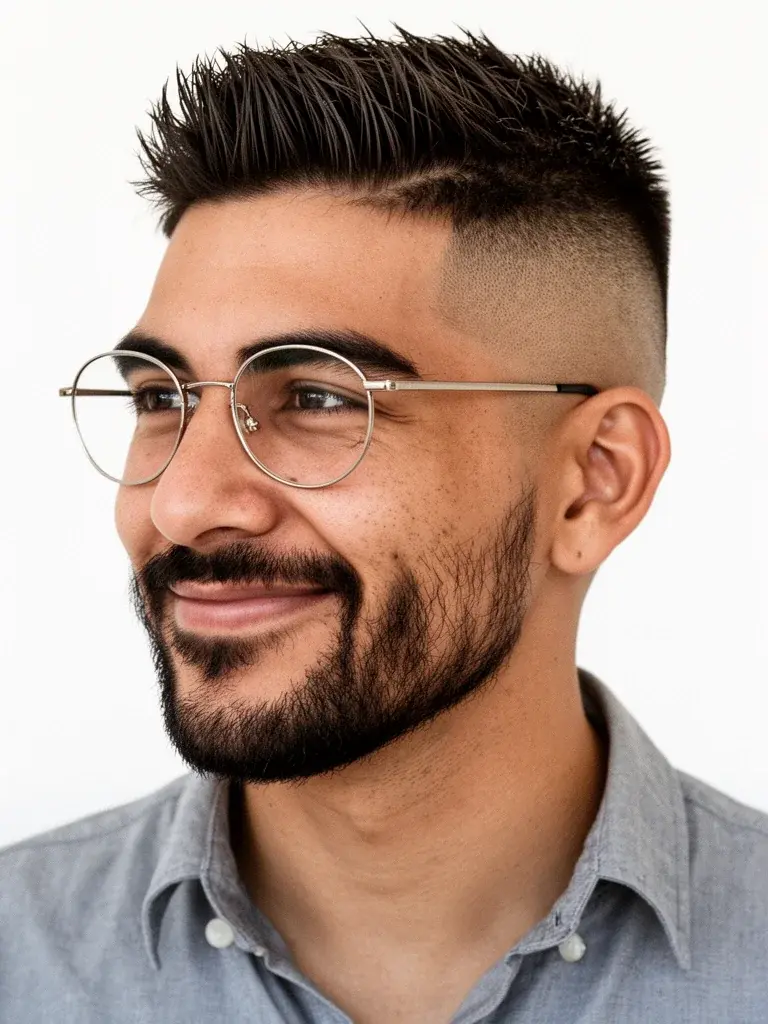
TL;DR
- Best for: Anyone who wants a clean, professional cut that works everywhere
- Avoid if: You want dramatic contrast or an edgy statement look
- Ask your barber: "Classic taper fade, blend from #2 to #4, keep [X] inches on top"
- Maintenance: Trim every 3–4 weeks
Who Does It Suit?
The taper fade is the universal crowd-pleaser. Conservative enough for boardrooms, stylish enough for date nights.
Ideal for:
- Professionals in traditional industries (finance, law, consulting)
- Men who prefer subtle over statement
- First-time fade seekers wanting to ease in
- Anyone with unpredictable schedules—it looks good growing out
- Guys who want one haircut that works for everything
Hair types:
- Straight: Clean, sharp lines with visible graduation
- Wavy: Natural movement softens the blend beautifully
- Curly: Creates a natural, less dramatic transition
Avoid If...
- You want maximum contrast → a skin fade delivers more punch
- You prefer edgy aesthetics → taper is inherently conservative
- You want the "fresh cut" look daily → taper's subtlety doesn't scream "just cut"
- Your style is bold and avant-garde → this cut is classic, not trendy
What is a Taper Fade?
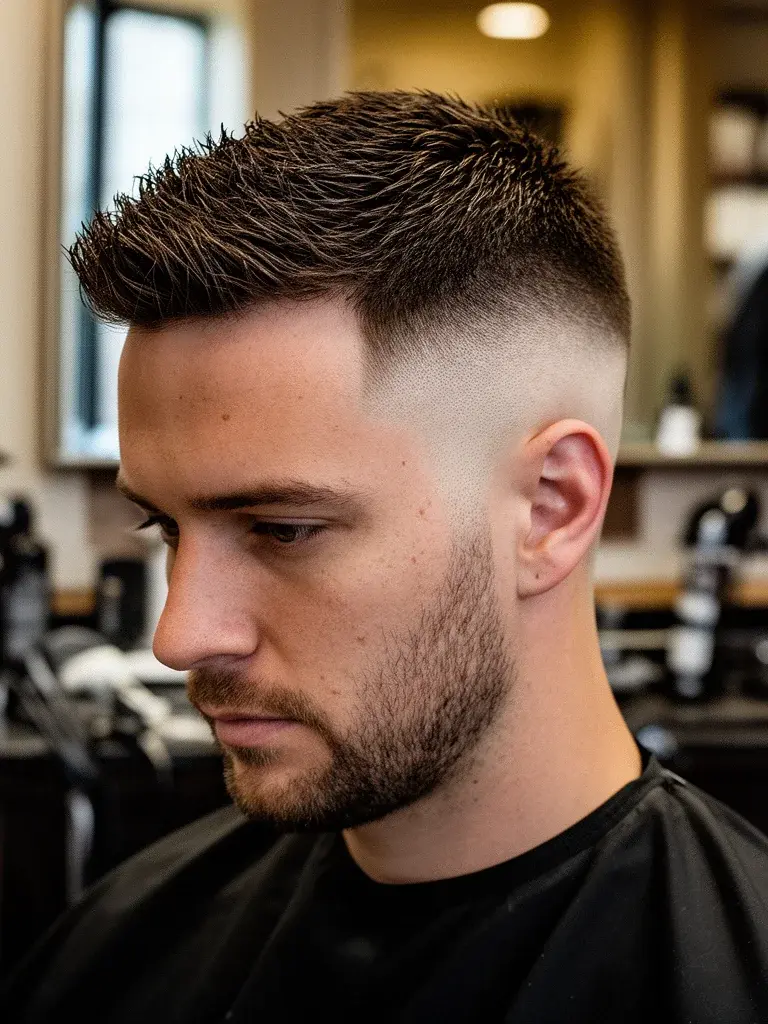
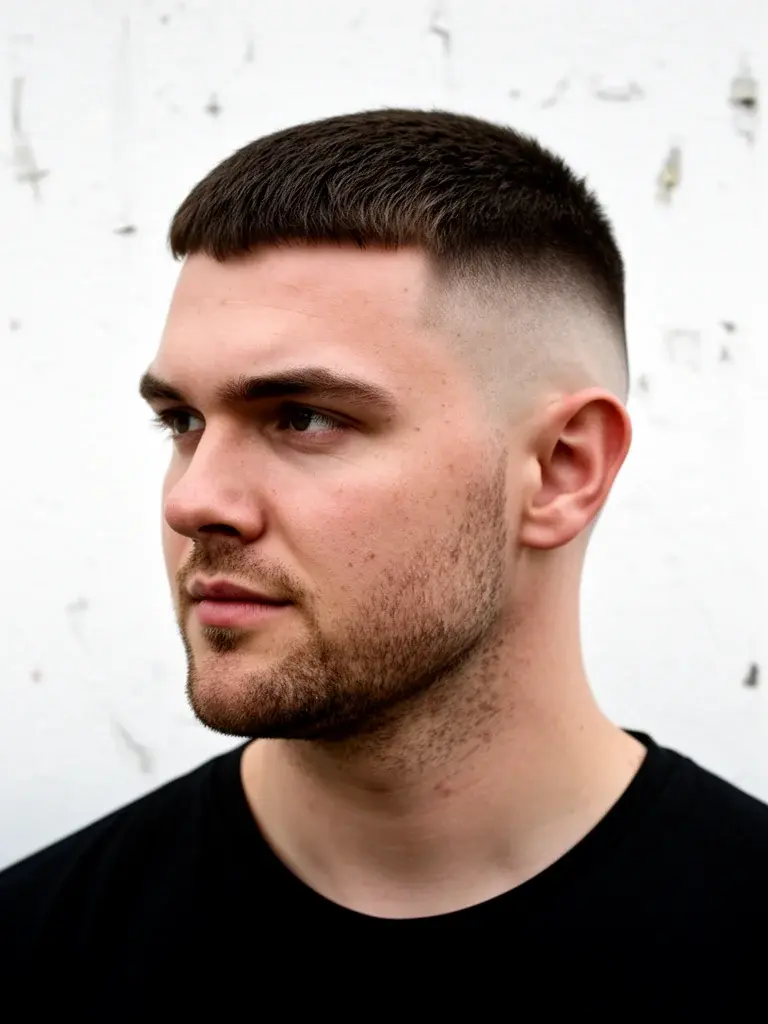
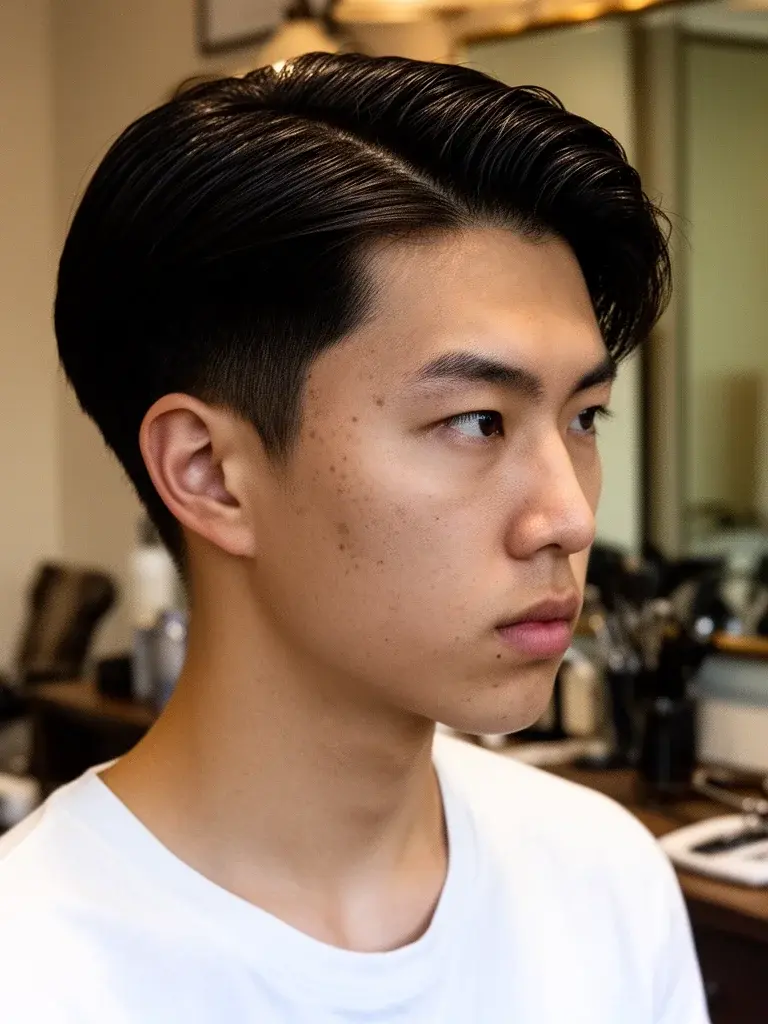
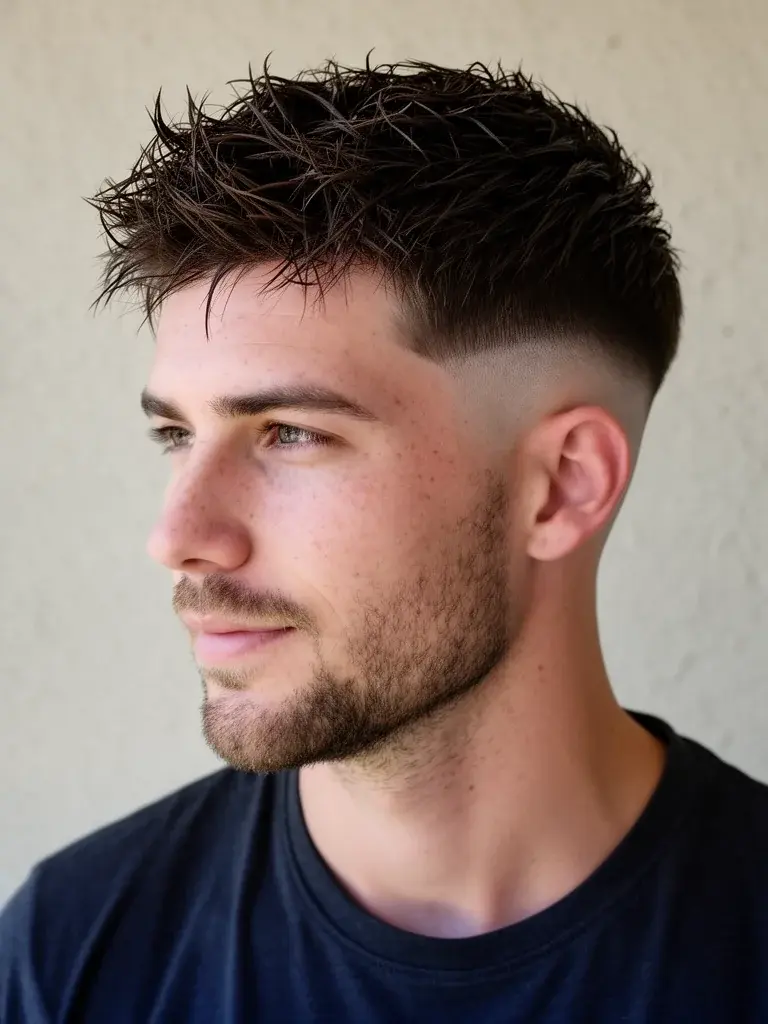
A taper fade gradually transitions from longer hair on top to shorter hair on the sides and back, but—critically—never goes down to skin. The shortest point typically uses a #1 or #2 guard, maintaining some length throughout.
Think of it as the fade's refined older brother. Same gradient principle, but executed with restraint. The result is polished rather than sharp, professional rather than edgy. For a complete guide to all fade and taper types, see our hub article.
Taper Fade vs Skin Fade
| Taper Fade | Skin Fade | |
|---|---|---|
| Starting point | #1–2 guard | #0 / bare skin |
| Contrast | Subtle, gradual | High, dramatic |
| Maintenance | Every 3–4 weeks | Every 1–2 weeks |
| Vibe | Professional, classic | Bold, modern |
| Grow-out | Graceful | Visible fast |
Bottom line: Taper fade = timeless and low-maintenance. Skin fade = sharp and high-commitment.
Measurements
- Top: Flexible (2–6 inches depending on style)
- Sides: Starts at #1–2 guard
- Blend zone: Gradual transition through #2 → #3 → #4
- Trim: Every 3–4 weeks
Face Shape Tweaks
The taper fade's versatility means it flatters almost everyone with minor adjustments.
- Oval: Any variation works—you've hit the genetic lottery
- Square: Keep top textured to soften angular features
- Round: Add height on top, keep sides tight to elongate
- Diamond: Keep weight at temples, avoid extreme height
- Heart: Balance narrow chin with fuller sides
- Oblong: Keep it low, avoid adding vertical emphasis
Hair Type Tweaks
- Straight: Ask for precise blending; your hair shows every transition
- Wavy: Let natural texture do the work—less product needed
- Curly: Keep enough length (2+ inches) for curls to form properly
- Thick: Request thinning to prevent bulkiness at the sides
- Fine: Taper adds structure without exposing too much scalp
Why Choose Taper Over Skin Fade?
1. Forgiveness Factor Taper fades grow out gracefully. At week 3, it still looks intentional. A skin fade at week 3 looks neglected.
2. Universal Appropriateness No dress code bans a taper fade. It reads as "well-groomed" in every context.
3. Scalp Protection No exposed skin means no sunburn worries, less razor irritation, and no visible scalp imperfections.
4. Time Economy Half the barber visits, same polished look. Your annual haircut budget goes further.
What to Tell Your Barber
"Classic taper fade—keep it conservative. Start at a #2 on the sides, blend naturally, [X] inches on top with [texture/no texture]. I want it to look good for 3–4 weeks."
How to Style
Daily (20 seconds):
- Towel dry
- Finger comb into place
- Done
Polished (2 minutes):
- Apply small amount of pomade or cream
- Comb or brush into shape
- Optional: light blow dry for volume
Maintenance Timeline
- Week 1: Peak sharpness. Clean lines, perfect blend.
- Week 2: Still fresh. Barely noticeable growth.
- Week 3: Softening. Blend less defined but still presentable.
- Week 4: Time to book. Still acceptable, but losing shape.
- Week 5+: It's now just a regular haircut.
Common Mistakes
-
Going too short too fast Fix: Start conservative—you can always go shorter next time
-
Confusing taper with skin fade Fix: Clarify with your barber: "taper means no skin showing"
-
Wrong fade height for face shape Fix: Consult barber before committing—height matters
-
Over-styling Fix: The taper fade shines with minimal product—less is more